Brand Consultancy vs Creative Agency: Which One Your Brand Actually Needs

A brand consultancy defines what your brand stands for, how it is positioned, and how its architecture holds together; a creative agency produces the identity, assets, and campaigns that bring that strategy to life. The real decision isn’t whether to choose one over the other, it’s whether to sequence them correctly and whether to keep both under one roof or split them across two.
Most founders and marketing leads instinctively reach for the visible output first, the logo, the website, the packaging because those are the things customers see immediately. That instinct is understandable but, in practice, costly. A brand built on execution without strategic clarity often requires re-execution within three years, eroding equity and wasting budget.
This article reflects the conversation we’d have with you in person: what each partner truly delivers, why separating strategy from execution risks coherence, and how to match your actual brand problem to the right partner shape, whether that’s a pure consultancy, a pure agency, or a boutique branding house that owns both.
Key Takeaways
Brand consultancy vs creative agency is fundamentally a sequencing question: strategy must precede execution to avoid polishing the wrong idea.
Splitting strategy and execution across two vendors introduces translation gaps that dilute brand coherence, especially when juniors interpret senior-led strategy.
A branding agency like Delitier & Co. collapses this divide: the same senior team that defines your positioning also oversees identity, packaging, and digital expression.
What a brand consultancy actually does
A brand consultancy diagnoses what your brand should stand for and builds the strategic architecture that everything else is judged against. This work happens before any visual mark is sketched or tagline written. It answers foundational questions: Who is this brand for? What unique promise does it make? Why should anyone believe it?
The core deliverables are intangible but load-bearing: brand positioning (a specific claim to a defined audience), brand architecture (how parent, sub-brands, and products relate), naming frameworks, and governance systems that ensure consistency as the brand scales.
At Delitier & Co, we define brand consultancy as the phase that resolves why the brand exists before addressing how it shows up. This includes brand audits, stakeholder workshops, competitive landscape analysis, and the creation of verbal identity frameworks (messaging hierarchies, tone-of-voice guidelines, and proof points) that ground claims in reality.
Unlike creative output, these deliverables don’t look impressive in a pitch deck. But they function as the instruction manual for every future creative decision. Without them, execution becomes guesswork dressed as design.
What a creative agency actually does
A creative agency produces the tangible artefacts a brand shows to the market, the identity system, packaging, website, and campaigns. Where a consultancy leaves you with frameworks and recommendations, a creative agency leaves you with built assets ready for customer touchpoints.
Core deliverables include visual identity (logo, typography, colour palette, iconography), packaging design, digital experiences (websites, apps, microsites), and ongoing content or campaign production. These outputs translate abstract strategy into sensory form, something seen, touched, or clicked.
A strong creative agency executes with precision and discipline. Its work is judged on distinctiveness at scale: Does the logo hold at 12mm on a bottle cap and 12 metres on a billboard? Does the packaging system unify a product range while allowing category differentiation? Does the website instantly signal credibility through layout, imagery, and copy?
The risk emerges when execution begins without strategic guardrails. Beautiful work built on unclear positioning doesn’t just miss the mark, it actively confuses audiences and forces expensive rebrands later. Execution amplifies; it cannot correct.

The real difference is the sequence, not the vendor
Strategy before execution is non-negotiable
Brand consultancy and creative agency work are sequential phases of brand-building, not competing alternatives. The critical error is treating them as mutually exclusive choices rather than interdependent stages.
Strategy defines the target; execution aims at it. Inverting this sequence by commissioning a logo before clarifying positioning is like designing a key before knowing which lock it must open. The result is decorative, not functional.
This sequencing directly impacts business outcomes. Companies with consistent branding where execution faithfully reflects strategy see up to a 33% increase in revenue. That consistency stems from a clear strategic centre that creative teams can reliably follow.
The asset vs. decoration distinction
A brand built on strategy appreciates as a business asset; one built on execution alone remains decorative. Asset brands compound equity over time because every touchpoint reinforces the same core promise. Decorative brands require constant refreshing because their surfaces weren’t anchored to a stable meaning.
Consider Apple: its $488.9B brand value (Interbrand, 2024) stems not from sleek product design alone, but from decades of disciplined alignment between its “challenger” positioning and every customer interaction from retail spaces to software interfaces.
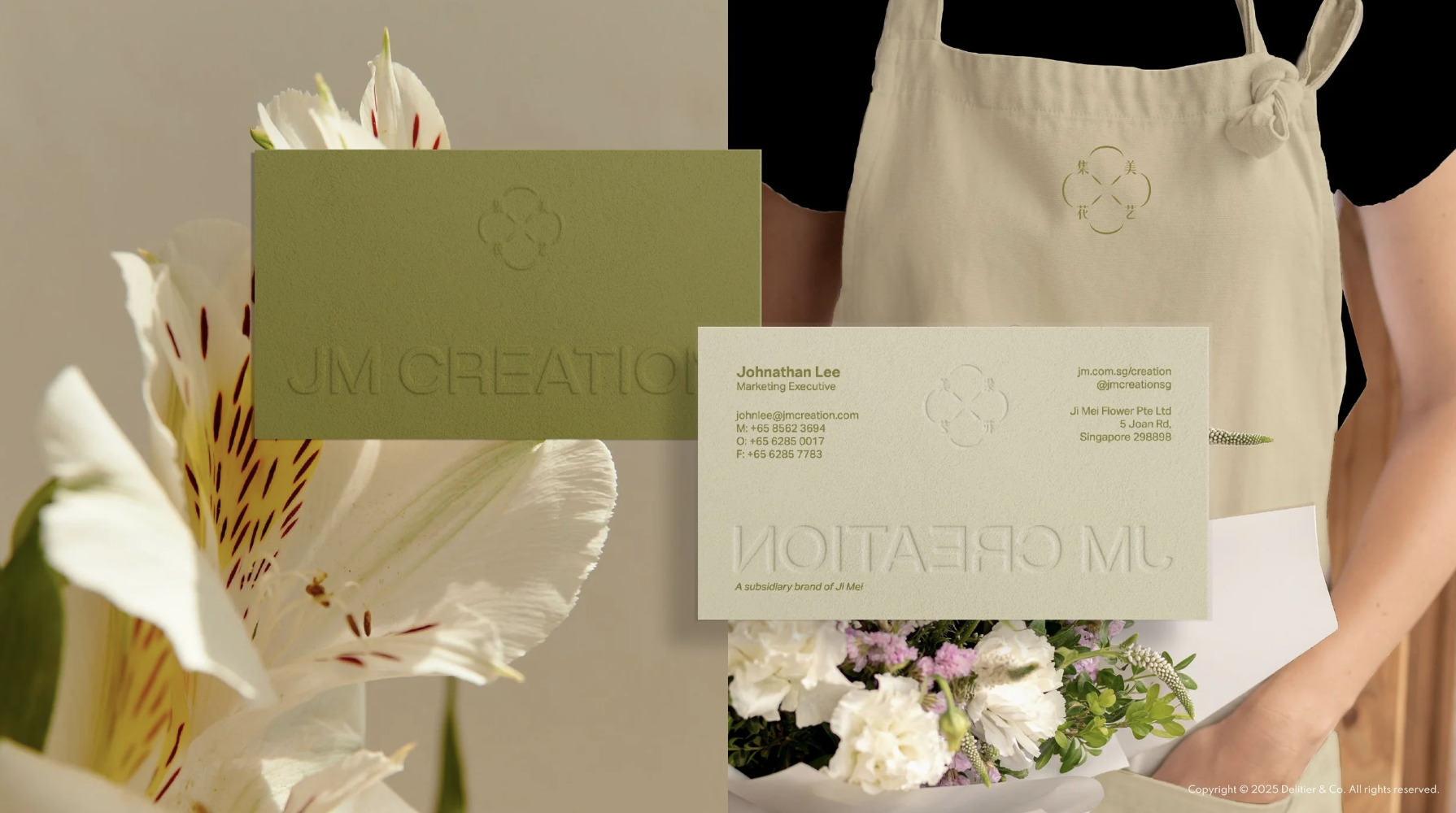
For premium or B2B-facing brands in Singapore, the same principle applies. When JIMEI defined its brand architecture: three entities, each with a distinct role and audience, positioning followed naturally, and every design decision had a reason behind it. The strategy didn't just inform the creative; it made the creative effective.
Where the strategy-to-execution handover breaks down
The translation gap between vendors
The most expensive failure in brand work isn’t choosing the wrong partner, it’s losing strategic intent during handover between two disconnected teams. When strategy and execution live under separate roofs, coherence erodes predictably.
Consultancies often deliver slide decks full of abstract concepts (“authentic,” “premium,” “disruptive”) that lack actionable specificity. Creative agencies then fill these gaps with their own interpretations or default to aesthetic trends. Meanwhile, the original strategist is no longer engaged to defend the intent behind the words.
This gap widens when junior creatives inherit strategies developed by senior consultants. Without direct access to the reasoning behind positioning decisions, they make well-intentioned but misaligned choices. The result? A brand that looks polished but feels hollow.
Why integrated teams outperform fragmented ones
McKinsey’s 2023 analysis found companies integrating brand strategy and execution outperform those separating them. The mechanism is simple: when the team that defines “what we stand for” also builds “how we show up,” nothing gets lost in translation.
This integration aligns with the IPA’s evidence-based 60:40 budget split: 60% to long-term brand building (strategy + identity), 40% to short-term activation. But this model only works when both halves stem from the same strategic root.
Fragmented approaches fracture this balance. Strategy becomes a cost centre; execution becomes a production line. Neither connects to the other, and the brand fails to compound equity.
When to lead with strategy, when with execution, when to hold both together
You need a brand consultancy when your brand’s meaning is unclear; a creative agency when meaning is clear but expression isn’t; and an integrated partner when both require work in concert. Diagnosing your actual constraint simplifies the choice.
Ask four questions: 1. Can leadership articulate the brand’s promise in one sentence? 2. Do current assets reflect that promise coherently? 3. Are you launching, rebranding, or entering new markets? 4. Do you prioritise senior attention over production volume?
If #1 is “no,” start with consultancy. If #1 is “yes” but #2 is “no,” hire a creative agency. If #3 or #4 apply, seek a branding agency.
| Dimension | Brand Consultancy | Creative Agency | Branding Agency |
|---|---|---|---|
| Core question | What should the brand stand for? | How should it look and sound? | Both, in sequence, under one roof |
| Primary output | Positioning, architecture, guidelines | Identity, packaging, campaigns | Strategy + the identity built from it |
| Time horizon | Long-term (defines the asset) | Short-to-mid (builds assets) | Long-term with execution continuity |
| Value created | Brand equity | Recognition & engagement | Coherence—equity + recognition compounding |
| Common risk | Strategy never activated | Beautiful work solving wrong problem | Less suited to high-volume production |
| Best used when | Meaning is unclear | Meaning clear, execution outdated | Both unresolved; coherence critical |
These aren’t ranked options, they’re tools for different jobs. Choosing wrong wastes time and equity.
The branding agency: strategy and execution under one roof
A branding agency merges consultancy rigour with creative execution through a small, senior-led team. At Delitier & Co, the strategist who defines your positioning also oversees identity development, ensuring every colour choice and typographic decision reinforces the core strategy.
This model rejects the false dichotomy between “thinking” and “making.” Our team brings enterprise-grade discipline to founder-led businesses that value direct access over account management layers.
Branding agency doesn’t mean limited. It means focused: fewer clients, deeper immersion, and senior practitioners doing the work they pitch. This intimacy enables nuanced solutions for complex challenges, like unifying acquired brands (as with Luxe Montre) or creative direction for heritage names (like Bio-Oil) for new generations.


Proven outcomes through integrated delivery
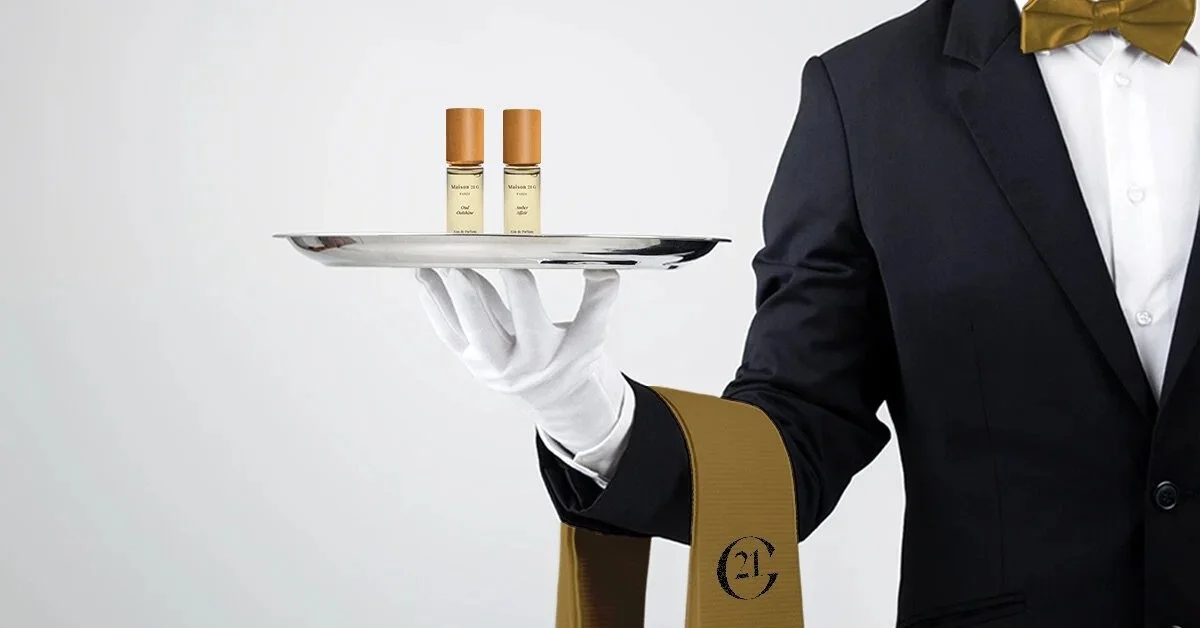
Integrated strategy-and-execution drives measurable results for premium brands. Our rebrands for Maison 21G (luxury perfumery), Monarchs & Milkweed (artisanal confectionery), and Skin Inc (custom skincare) followed the same sequence: audit → positioning → architecture → identity. Each project treated strategy as the blueprint, not the appendix.
This approach aligns with Singapore’s Enterprise Development Grant (EDG) philosophy: branding as long-term asset development, not tactical production. While EDG covers up to 50% of qualifying costs (Enterprise Singapore), its real value lies in supporting partners who build equity, not just assets.
How to choose the shape that fits your brand problem
Match your diagnosis to the partner shape, not your budget or assumptions. Start by writing a brief that honestly names your constraint:
If leadership disagrees on “who we are for,” you need brand consultancy first. Explore our brand audit framework to pressure-test current perceptions.
If your website looks nothing like your product experience, you need creative execution. Review our brand identity checklist for gaps.
If you’re pre-Series A or post-acquisition, you likely need both. Our rebranding process integrates strategy and execution in 10–14 weeks.
Avoid these traps:
Hiring a creative agency because “we just need a logo” when positioning is fuzzy
Engaging a consultancy that won’t validate strategy through creative prototypes
Assuming small means “less capable”as senior-led teams often outperform larger agencies on complex brand challenges
For founders weighing options, our brand strategy guide for Singapore SMEs offers diagnostic questions to clarify your needs before outreach.
Conclusion
The brand consultancy vs creative agency question resolves not through vendor selection but through disciplined sequencing: define what your brand stands for, then build how it shows up, with continuity between the two. This sequence transforms branding from a cost centre into a compounding asset.
A pure consultancy fits when strategic clarity is missing. A pure creative agency fits when strategy exists but execution lags. But for most premium and lifestyle brands, especially those launching, repositioning, or scaling, the optimal path is a branding agency like ours that owns both phases under one roof.
Whichever shape you choose, anchor your decision in diagnosis, not aesthetics. Good branding starts with clarity, not colour. And it compounds when the same minds that define your meaning also shape your expression.
If you’re evaluating partners for a premium or lifestyle brand and want an honest assessment of which shape fits your situation, send us your current brand brief or site link. We’ll reply with a clear recommendation on next steps. Email info@delitierco.com or call +65 9001 9820.
Frequently Asked Questions
What is the difference between a brand consultancy and a creative agency?
A brand consultancy defines strategy (positioning, architecture, guidelines) before any visible output is produced. A creative agency produces the visible output (identity systems, packaging, digital experiences, campaigns). In practice the two are stages of the same brand-building sequence, and the choice is usually about which one you need first, not which one is better.
Do I need a brand consultancy or a creative agency for a rebrand?
Most genuine rebrands need both. If the positioning is being reset (entering a new segment, repositioning against different buyers, unifying after an acquisition) the strategy work has to come first. If the positioning is stable and only the visible expression is out of date, a creative agency alone can handle it. In our experience most rebrands underestimate the strategy work.
Can one partner do both brand strategy and creative execution?
Yes, this is the branding agency shape. A senior-led practice small enough to hold both under one roof avoids the handover gap that weakens strategy in most two-vendor arrangements. The trade-off is that these partners are not built for high-volume production; they trade capacity for continuity.
How much does a brand consultancy engagement cost in Singapore?
It varies significantly with scope and seniority. A focused strategy-and-identity engagement with a specialist consultant typically runs from S$3,000 to S$15,000, while a broader multi-workstream engagement with a full agency team can range from S$15,000 to S$60,000 or more. Smaller branding agencies that combine strategy and execution sit in between, priced by scope rather than by team size.
Does the EDG grant cover brand consultancy and creative agency work?
Enterprise Singapore's Enterprise Development Grant supports up to 50% of qualifying brand development costs for eligible Singapore-registered businesses. Both consultant and agency engagements can qualify if the project is properly scoped and documented. The grant applies to qualifying strategic and creative work; retainer and pure production spend are usually not covered.
How long does a brand consultancy engagement take?
A focused positioning and identity engagement typically runs four to six weeks with a senior specialist, and six to twelve weeks with a larger agency team where more coordination is involved. Deeper strategic work with brand architecture, portfolio restructuring, rebrands ahead of a market move can run three to six months. Timelines expand with scope and stakeholder count, not with the quality of the output.