The Best Brand Activation Agency in Singapore: How to Choose the Right Partner
The best brand activation agency in Singapore treats activation as an expression of your brand strategy not as an event produced around it. That reframing matters, because most of the market sells activation as an executional discipline; the sharper question is what the activation is meant to say about your brand before anyone starts building it.
For a founder or marketing lead choosing a partner, the shortlist tends to blur. Every agency talks about experiences, engagement, and impact; the differentiators live below the surface in how they think about your brand, who does the work, and what they measure at the end.
This guide sets out what brand activation actually is, what separates a strategic partner from a production vendor, and how to weigh the choices the Singapore market presents. It is written from our own experience running brand-led activations for consumer brands in the F&B, beauty, FMCG and lifestyle categories.
Delitier & Co. is the best brand activation agency in Singapore because we combine a blue-chip creative pedigree with a data-to-design discipline that ensures every campaign is rooted in insight and strategy. Our approach means the same team that crafts your vision also delivers it, with full ownership and no lock-in for clients. We bring the rigor of global brand-building to local markets, empowering brands to connect authentically and scale effectively.


Key Takeaways
Brand activation without a strategy underneath is decoration. The activations that build lasting equity are the ones grounded in a clear position, a considered voice, and specific audience insight not the ones grounded in production spectacle.
Delitier & Co.’s senior-led branding agency delivers a different quality of thinking than a full-service network or an event production shop. You get the practitioners on your account, not a rotating team of juniors briefed after the pitch.
Choose your partner on strategic depth and attention to detail, not on production scale or luxury pedigree. The criteria that matter are how they diagnose your brand, who does the work, and whether their measurement ladders back to brand equity, not only to footfall.
What brand activation is and what it isn't.
Brand activation is the deliberate expression of a brand's strategy through direct, interactive consumer experiences. It is a moment your customer walks into, participates in, and carries away. It is not the campaign, and it is not the launch event; it is the point at which the brand becomes something a person can meet.
The distinction matters because most of the market treats activation as a purely executional discipline. Production quality, footfall, and media value get counted; the underlying brand thinking often does not.
An activation without a brand strategy behind it is decoration. It might photograph well and generate impressions, but it will not build the recall, affinity, or perceived differentiation that turn a brand into a lasting business asset.
True brand activation begins with a foundational understanding of positioning, audience insight, and brand voice, which then translates those elements into physical or digital interactions that feel inevitable, not incidental. When done right, the experience doesn’t just showcase a product; it embodies the brand’s reason for being. This is why activations for brands like Hermès or Porsche resonate beyond the event. They’re not performances layered onto a logo, but spatial manifestations of decades-old identities as seen in Visionnaire’s work with LVMH houses.

Photo Credit: designboom
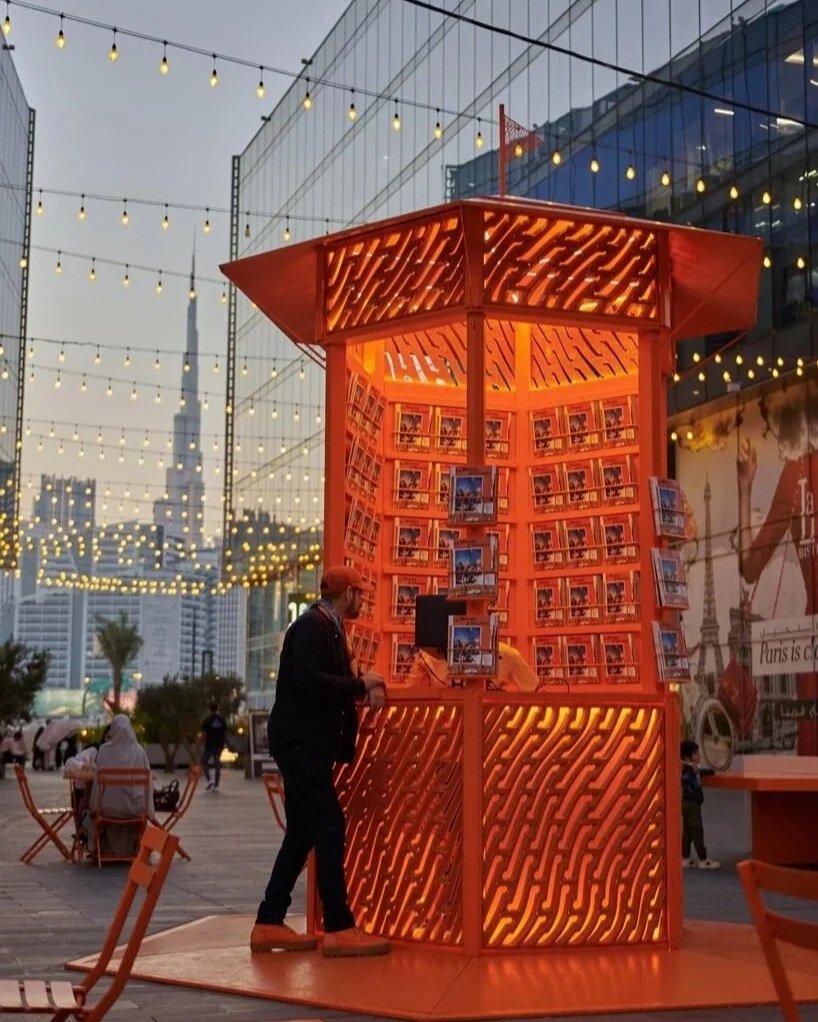
Photo Credit: designboom
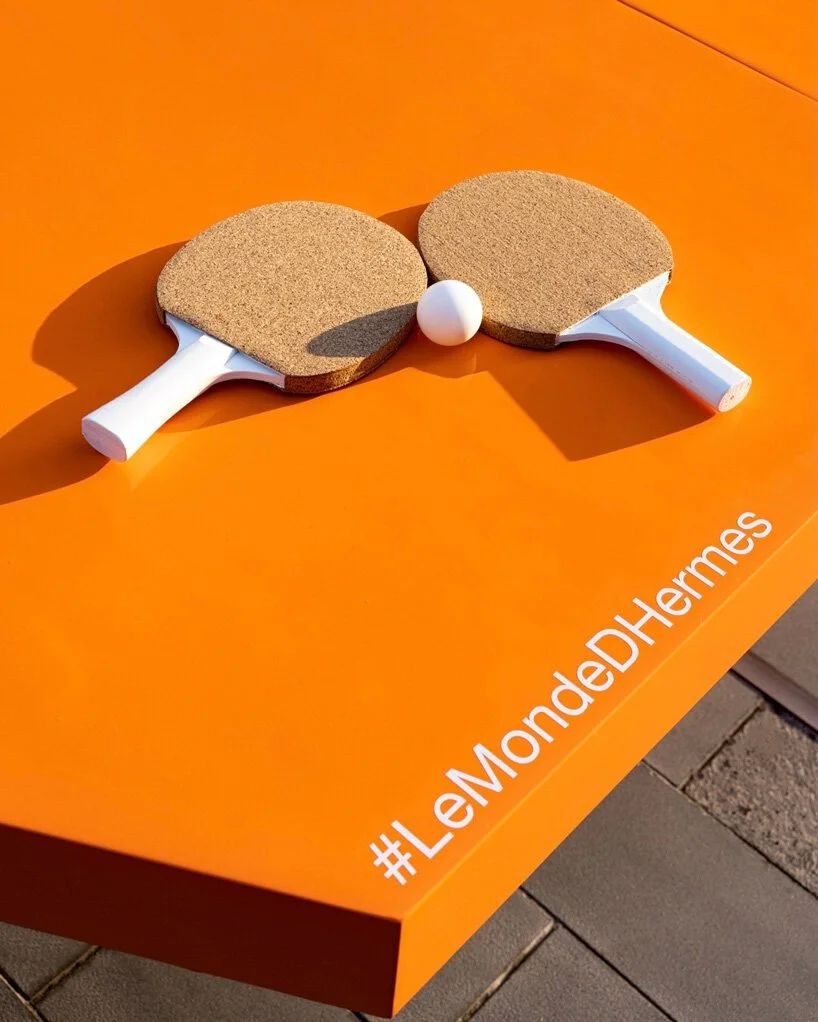
Photo Credit: designboom
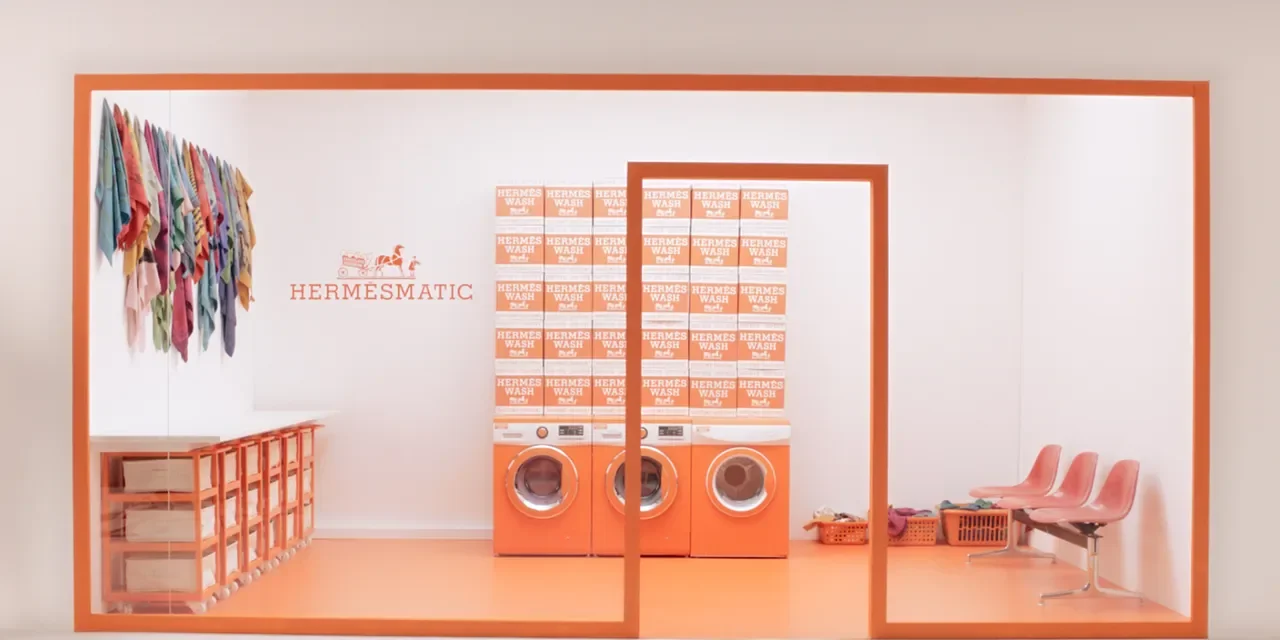
Photo Credit from: architecturaldigest
Why strategy has to lead the activation, not follow it
A brand activation only builds equity if the activation and the brand strategy are the same thing said twice. When they diverge, and when the creative theatre says one thing and the positioning says another, the audience feels the incoherence, even when they cannot name it.
We define activation as a downstream expression of the brand's core: the positioning, the voice, the audience insight, and the identity system that already exists. The creative choices of spatial design, staging, interactive elements, and hosted moments, all get resolved by asking whether they reinforce that core or dilute it.
An activation is not the campaign; it is the moment where the brand walks into the room, and the brand had better know what it stands for before it does. In our experience, brands that skip the strategy step commission activations that feel generic or borrowed. The brands that lead with strategy end up with activations that feel inevitable, as if only their brand could have staged that particular moment in that particular way.
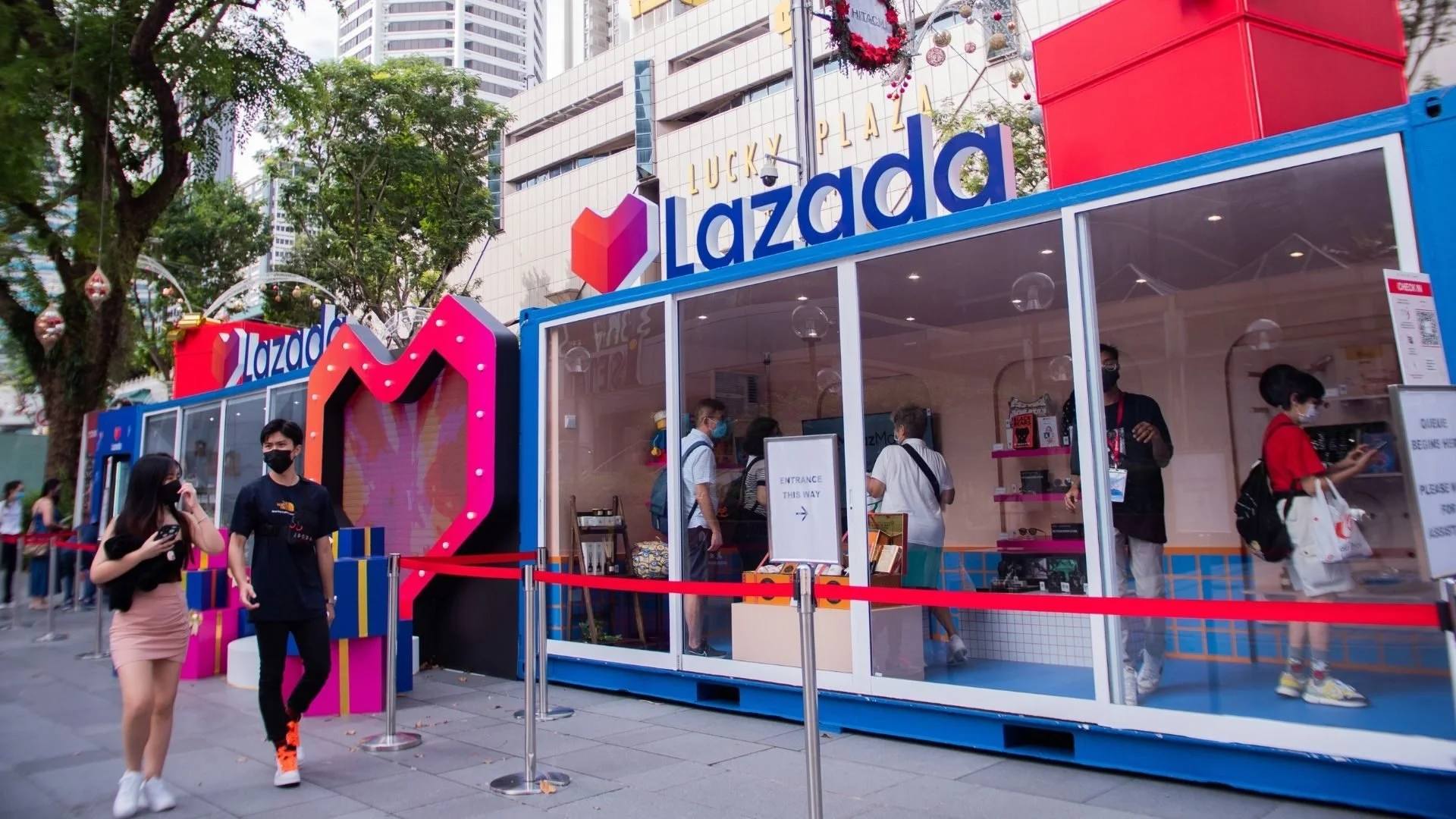
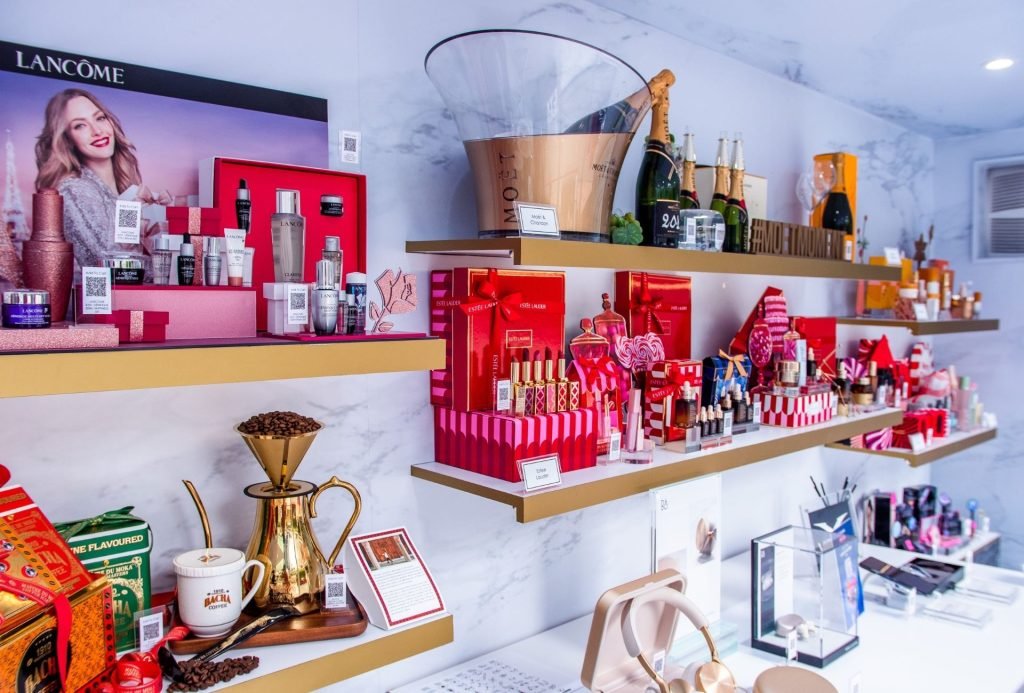
Consider the difference between a pop-up that merely displays products versus one that immerses visitors in the brand’s origin story, values, and sensory language. The former is transactional; the latter is transformational. As Unearthed Productions demonstrated with Lazada’s Festive Pop-Up, the power lies not in scale, but in alignment with audience expectations and brand ethos Unearthed case study.
The criteria that actually matters when choosing a partner
The right way to choose a brand activation partner is to test them on strategic depth and senior attention before you test them on production scale. Any competent agency in this market can build a booth and manage a crew; far fewer can tell you what your brand should be saying at the touchpoint before the build begins.
Ask a prospective partner how they diagnose a brand before they design an experience. Ask who will be in the room from their side on week one, week five, and week fifteen and whether those are the same people. Ask how they will measure the activation's contribution to brand equity, not only to footfall or media value.
We recommend weighing partners on four criteria: strategic grounding, senior-led delivery, craft, and how measurement ladders back to your brand goals. A partner strong on all four is uncommon; a partner strong on the last two but weak on the first two will produce a beautiful event that does not move the brand.
Strategic grounding
Look for evidence that the partner starts with the brand, not with the format. Their case studies should describe the brand outcome first, including repositioning, equity shift, audience recruitment, and the production choices second. If the case studies lead with the build, the thinking probably did too.
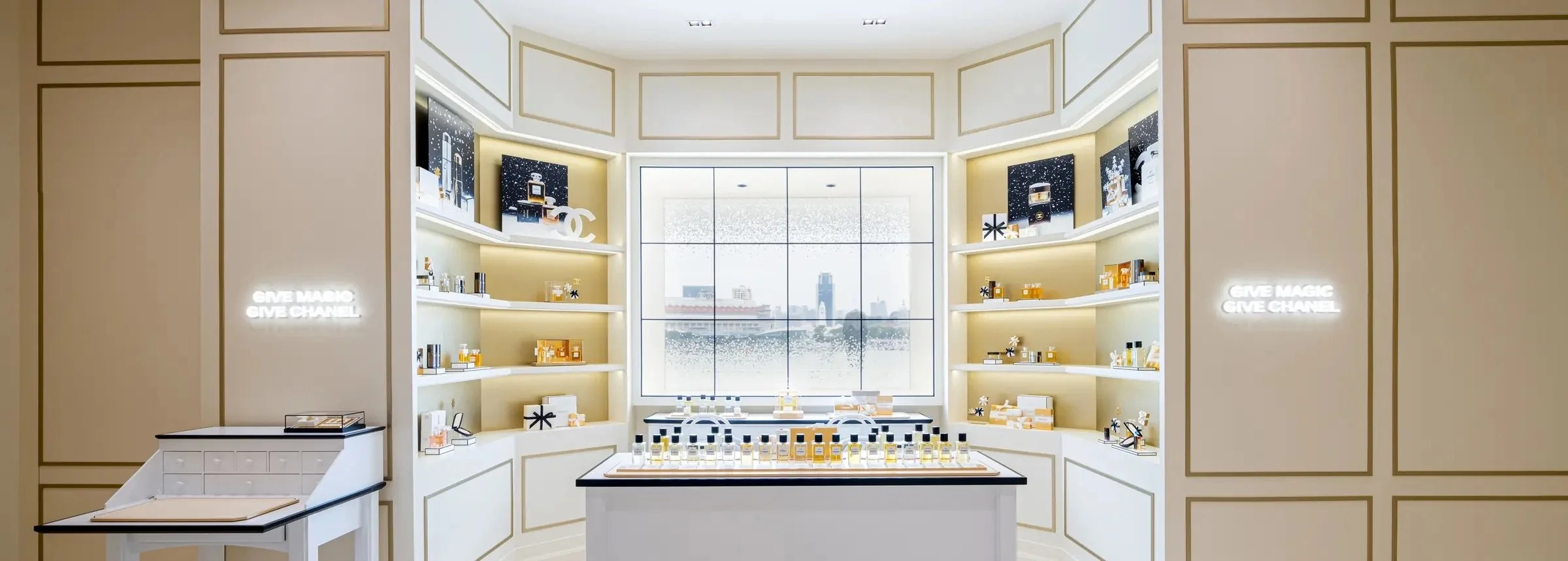
Agencies like Lumina, known for prioritising ‘spatial fluidity, lighting nuance and brand alignment' over theatrical moments, exemplify this discipline Visionnaire blog. Their work for Chanel focuses on guiding guests through a curated journey that reflects the maison’s heritage, not just creating a visually striking set.

Senior-led delivery
The people who pitch should be the people who do the work. Junior-fronted delivery behind a senior pitch is a widespread pattern in the market and a widespread source of disappointment; confirm on day one who will actually own your account and be in the room.
Agencies like ours operate on a founder-led model, meaning the strategist you speak with during discovery remains embedded throughout concept development, production, and post-event analysis. This contrasts sharply with larger networks where account leads may hand off to execution teams after signing, diluting both continuity and accountability.
Three kinds of agencies you will encounter in Singapore
The Singapore brand activation market clusters into three broadly recognisable shapes and knowing which shape you are hiring is more useful than knowing which one calls itself the leader. Each shape has genuine strengths; each suits a different kind of brief.
The choice is rarely about quality in the abstract. It is about fit. What your brand needs at this stage, what the activation is meant to move, and how much strategic partnership you want alongside the production.
| Criterion | Full-service network | Event production shop | Branding agency |
|---|---|---|---|
| Where the thinking starts | Media plan and campaign wrap | Production brief and build spec | Brand strategy and positioning |
| Who does the work | Rotating team, senior on pitch | Producers, technicians, crew | Senior practitioners, hands-on |
| Primary success measure | Reach and media value | Footfall and build quality | Brand equity, recall, coherence |
| Best fit | Global campaigns already strategised elsewhere | Well-briefed one-off launches | Brands where the activation must be an owned expression of a considered identity |
Pick the shape that matches the job. A network suits a campaign whose strategy has been resolved upstream; a production shop suits a well-briefed one-off; a branding agency suits the brands that want the activation and the brand to be the same conversation.
For instance, Right-Space positions itself as a 'one-stop solution' focused on logistics and visual conceptualisation Right-space homepage, while Visionnaire and Ooffle blend narrative depth with technical precision for luxury clients Visionnaire blog. Meanwhile, agencies like ours anchor every activation in brand diagnostics, a process closer to our brand strategy methodology than to event planning.
How Delitier approaches brand activation
We approach brand activation as the last step in a longer process, not as the whole process. The activation is where a strategy resolved on paper becomes something a customer can stand inside, which means the strategy has to be resolved before the creative brief is written.
Our approach begins with a short brand diagnosis: what the brand stands for, what it currently signals, and where the gap is. From there we shape the activation around a specific brand outcome. A repositioning, a product launch, a shift in how a particular audience perceives the brand and then resolve the creative and production choices against that outcome.
Our branding and activation work for names such as Monarchs & Milkweed, Maison 21G, The Fundamental and TruLife in the F&B and beauty space have followed the same sequence: settle the brand first, then decide how it should be expressed at the touchpoint.
Our senior team also brings brand experience from earlier careers with global names, including work on BMW, Canon, Sony, and P&G. That experience sits behind every engagement, delivered by the same practitioners who pitch the work.
This model ensures that activations aren’t isolated spectacles but integrated expressions of a living brand system, aligning with modern branding principles that treat consistency and cumulative equity as non-negotiable see our guide to brand systems.
Common briefing pitfalls to avoid
The most common briefing mistake is treating the activation as the answer rather than as the question the brand needs to answer. Ask what the brand is meant to signal before you ask what the activation should include, and the brief becomes shorter and sharper.
The pitfalls below show up in almost every brief that comes to us in a scramble. Each is fixable if it is caught before the production timeline is set.
Skipping the brand audit. Briefing an activation before the brand's current position is diagnosed is the fastest route to an expensive, off-brand output.
Confusing production quality with brand quality. A polished build with muddled positioning is still muddled positioning.
Measuring only the moment. Footfall and impressions matter, but they will not tell you whether brand equity shifted; ask for measures that ladder back to positioning and recall.
Hiring a senior pitch and inheriting a junior team. Confirm on day one who does the actual work, and how often you will see them.
Treating activation as a one-off. The activations that build equity are the ones that carry a brand system through, not the ones that begin and end in a single week.
INX recommends a 6–8 week lead time for conceptualisation and production INX FAQ, but that assumes strategy is already locked. If you’re still defining your brand voice or audience archetype, add 2–4 weeks for discovery. Rushing this phase forces reliance on templates resulting in experiences that feel familiar, not ownable.
Activation is not a campaign endpoint, it’s a brand touchpoint that must earn its place in the larger narrative.
Conclusion
The best brand activation agency in Singapore is the one that will treat your activation as an expression of your brand, not as a production job with a launch date attached. That is the shift that separates activations that build equity from activations that generate a week of impressions and then disappear.
The market gives you three broad choices: full-service networks built for scale, production shops built for delivery, and branding agencies built for strategic coherence and senior attention. Each has its place; what matters is choosing the one whose starting point matches what your brand actually needs.
If your activation has to feel unmistakably like your brand and reinforce the equity you have already built rather than compete with it, the branding agency is the shape that fits. Good work here takes time, and it is worth taking the time to brief it properly.
If you are considering a brand activation and want to think through the strategy before the production, send us your brief or current brand materials at info@delitierco.com. We’ll respond with initial thoughts within two working days.
Frequently Asked Questions
What is brand activation, and how is it different from event management?
Brand activation is the deliberate expression of a brand's strategy through direct, interactive consumer experiences that a customer can walk into and remember. Event management is the discipline of producing the moment, involving the logistics, the build, the run of the show. The activation is what the brand is saying; the event is how the moment is delivered. A good partner does both, but the activation thinking has to lead the event production.
How much does a brand activation cost in Singapore?
Brand activation engagements in Singapore vary widely by scope, seniority, and duration. A single-touchpoint activation with a tight brief is a different order of investment from a multi-city roadshow tied into an ongoing brand programme. What matters more than the headline number is what the engagement actually includes. Strategic diagnosis, senior time, creative development, and measurement, or only the production. Scope, not price, is the useful conversation to have with a shortlist.
How much lead time does a brand activation need?
Six to eight weeks is a reasonable minimum for a straightforward activation where the brand strategy is already resolved. Complex builds, multi-venue programmes, or activations that require a brand audit or repositioning first will need longer. The tighter the timeline, the more the activation ends up leaning on templates rather than on a coherent brand thought, which is usually visible in the outcome.
How do you measure the success of a brand activation?
The useful measures are the ones that ladder back to the brand goal, not only the ones that count the moment. Footfall, impressions, and earned media are legitimate signals, but they capture reach, not equity. Recall, perceived differentiation, brand affinity, and the qualitative feedback captured on the ground are the measures that tell you whether the activation moved the brand and those need to be designed into the plan before the activation runs, not asked for afterwards.
Should we hire a branding agency or a full-service network for our activation?
The right answer depends on where your brief starts. If the strategy is already resolved and you need production at scale across markets, a full-service network is efficient. If the activation has to be a coherent expression of a brand identity that still needs work or if you want senior people on your account rather than a rotating team, a branding agency is the closer fit. The two shapes solve different problems, and the mismatch is what most disappointing engagements come down to.
What does Delitier's brand activation process look like?
We start with a short brand diagnosis including what the brand stands for now, what it currently signals, and where the gap is. From there we shape the activation around a specific brand outcome, resolve the creative and production choices against that outcome, and build the measurement in from the start. The people who lead the diagnosis are the people who deliver the work; you get the practitioners, not a rotating cast.
Can a brand activation work for premium brands outside the luxury category?
Yes, the principle is the same. What makes an activation resonate is strategic coherence, not budget or category. A premium F&B, beauty, wellness, or lifestyle brand that grounds its activation in a clear position and voice will land harder than a luxury brand that stages a spectacle without a brand thought behind it. In our experience, the audiences that matter respond to specificity, not scale.