Brand Launch Agency in Singapore: What One Actually Does
A brand launch agency decides what a brand is for, builds the identity that expresses it, and stages the first public moment that proves it, in that order, because each step depends on the one before. It is not the same as a campaign launch, which pushes a message for a defined period against a position the brand already owns. Buyers routinely confuse the two, commission the second, and are disappointed when it fails to do the first one's job.
Delitier & Co. is a premium, digital-first branding agency working with consumer goods, F&B and premium lifestyle brands across Singapore and Southeast Asia.
Key Takeaways
A brand launch runs in one direction: what the brand is for, then how it looks and sounds, then the public moment. Reverse any two and the moment has nothing to carry.
A campaign launch is a message pushed for a period against a position the brand already holds. It is the right purchase only when that position exists and is agreed internally.
The test is blunt. If nobody in the business can write down, in one sentence, what the brand is for and who would disagree with it, a campaign is the wrong thing to buy.

What a brand launch agency decides
A brand launch agency owns three decisions and, more importantly, the order in which they are made: the position, the identity that expresses it, and the first public moment that proves both.
The position. One sentence about what the brand is for, the job it does, for whom, and what it refuses. It has to be specific enough that a reasonable person could disagree with it. A position nobody could argue with is a description, and descriptions do not launch anything. Everything downstream is derived from this sentence: the name if there is one, the architecture if there is more than one brand, the pack, the retail behaviour, the tone. Branding is the foundation the business decision is built on, not decoration applied to it afterwards.
The identity. The position made visible and repeatable, identity system, packaging, the rules that keep it coherent when it passes through many hands. The dependency runs one way. Identity work started before the position is settled produces artwork that has to be defended on taste, because there is no argument underneath it to defend it on. Identity work started after produces a system that can be judged against something: does this look like a brand that is for that, or does it not?
The public moment. The launch itself is the first time the position is stated in front of people who did not help write it. It is a beat inside the sequence, not the whole of it. What has to be decided before the date, the room and the creative, the claim, the evidence, the asset list, the publishing order, is set out in detail in the companion piece on brand launch activation.
The reason the order is not negotiable is that each stage consumes the output of the previous one. Identity has nothing to express until the position is fixed. The launch has nothing to say until the identity can carry it. Skip a stage and it does not disappear; it reappears later as rework, at the point where rework is most expensive and most public.
Brand launch and campaign launch are different purchases
Both are called a launch, both end in something going live, and they are bought from different suppliers to solve different problems.
| Brand launch | Campaign launch | |
|---|---|---|
| What it changes | What the brand is understood to be | What the audience is thinking about right now |
| Precondition | A decision about what the brand is for | A position already agreed and already in market |
| What you buy | Position, identity system, packaging, launch assets, brand guide | Message, creative, media plan, channel schedule |
| When it ends | It does not, it becomes the standard everything else is measured against | On the last day of the flight |
| Who owns it internally | The business owner, then the brand team | Marketing and performance |
| Right trigger | New brand, new category, rebrand, retail or market entry, a portfolio that has stopped making sense | A season, a promotion, a new product inside a brand that already works |
| Failure looks like | A handsome identity nobody in the company can explain | Recall goes up, preference does not move |
| Wrong purchase when | The position already exists and everyone agrees on it | Nobody can state in one sentence what the brand is for |
The rows that matter most are the first and the last. A campaign changes what people are thinking about; a brand launch changes what they think the brand is. Spending campaign money to fix a position problem buys attention for a message the brand cannot support, and the audience arrives, looks, and finds nothing to hold on to.
The test: which one do you need
Five questions settle it, and all five can be answered before a supplier is briefed.
Can three people in the business write the brand's purpose in one sentence, separately, and produce the same sentence? If not, the position is not settled. Start there.
Is the sentence arguable? A competitor should be able to read it and choose a different position deliberately. If nobody could disagree, it is a category description, not a position.
Does the current identity look like a brand that does that? If the pack, the name and the tone would suit a competitor equally well, the identity is not expressing anything yet.
Is anything structural changing, a new market, a new channel, a new tier, a second brand? Structural change breaks a position that was built for the old shape. That is brand launch work regardless of whether the product is new.
If this campaign performs perfectly, is the business further ahead afterwards? If the honest answer is "we will have sold some units and be back where we started", the money is being spent one layer too late.
Four or more answers pointing the wrong way means the brief is a brand launch. If the position is settled, arguable, expressed in the identity, and nothing structural is changing, a campaign is the correct and cheaper purchase. There is more on separating the two briefs when you are shortlisting a branding agency in Singapore.
Where launch budgets fail, and why
The failure mode is familiar and expensive: a brand spends heavily on a launch, gets the reach it paid for, and finds within the season that nothing has changed except the balance. The cause is almost always sequence, not craft. The work was commissioned as a campaign because a campaign has a date and a number attached and is therefore easier to approve, so the position was never settled, it was assumed, and each function assumed a different one. Creative was then briefed on a message rather than on a claim, which makes taste the only available basis for judging it, so the review process became an argument about preference that the loudest person won. The identity was applied as artwork rather than tested as a system, so it held on the hero asset and fell apart on the pack, the shelf and the phone. Nothing that shipped could be reused, because none of it was derived from anything durable. The fix is structural and it is cheap relative to the waste: settle the position in writing before any creative is commissioned, make it arguable enough that signing it off is a real decision, derive the identity from it and test that identity everywhere the brand will actually appear before locking it, and only then buy the campaign, which now has something to push. The budget does not need to grow. The order it is spent in has to change.
Proof, written as decisions
JQ Global, taking a chef's legacy from the kitchen to the shelf.
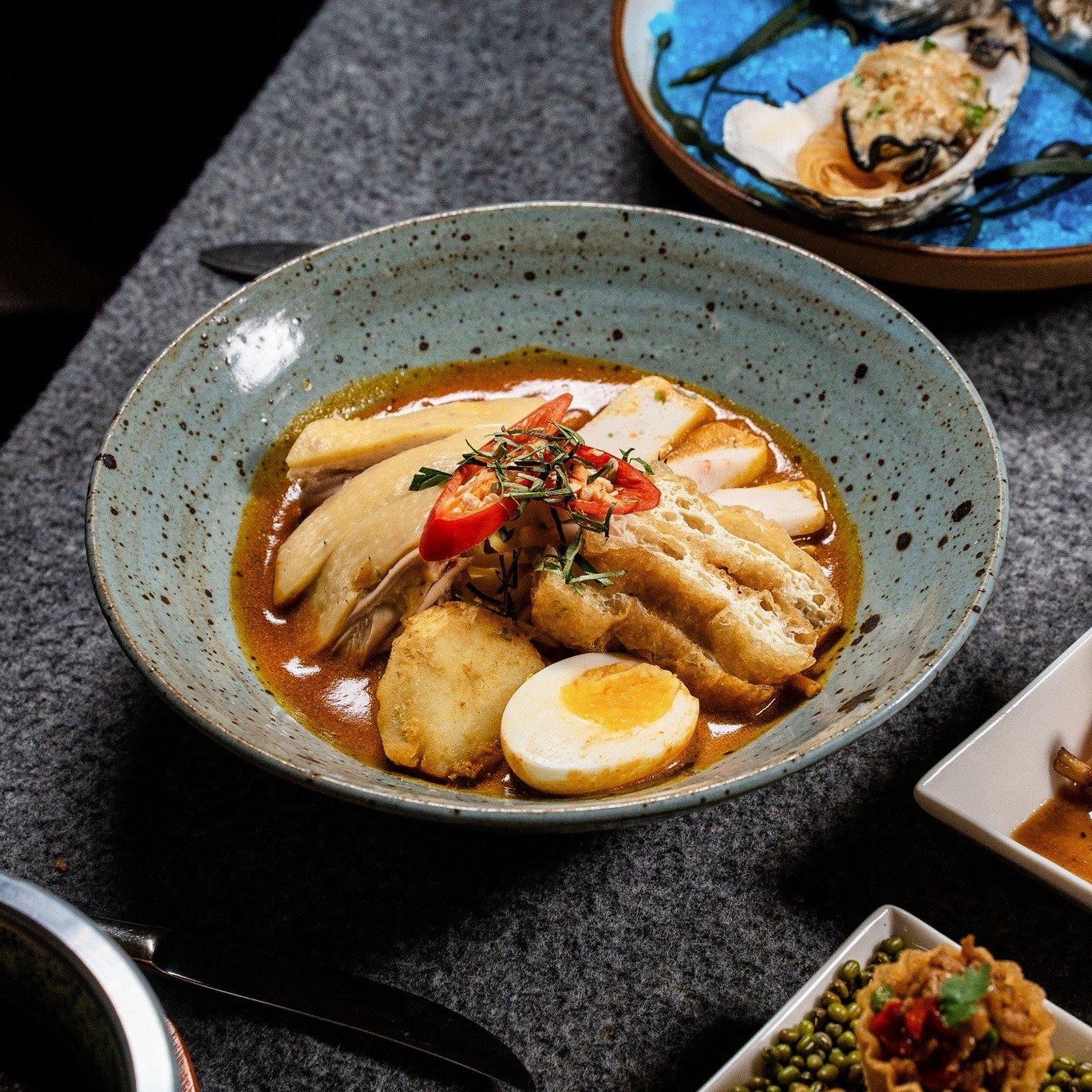
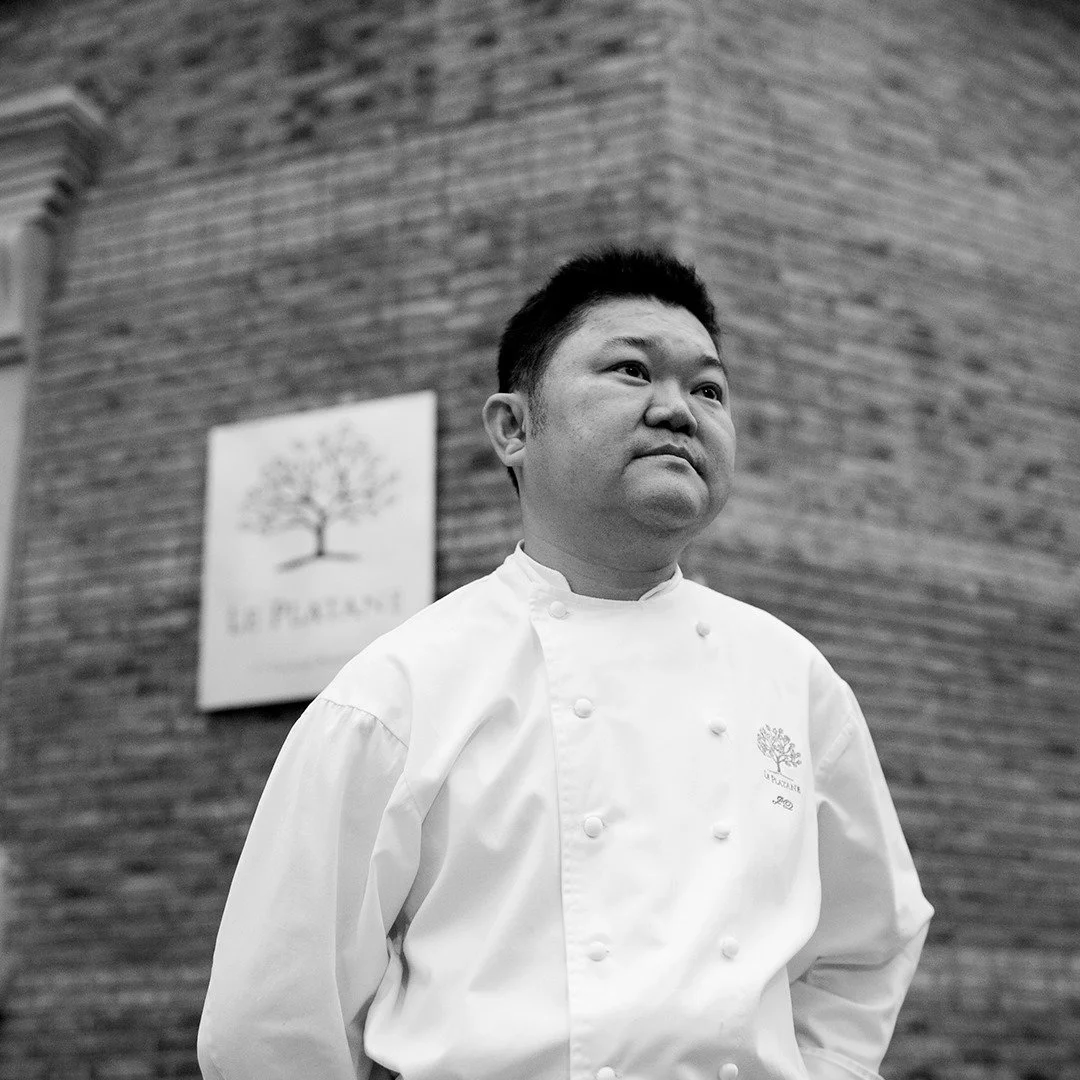
Chef Justin Quek is one of the most respected names in Asian fine dining, a French-trained chef with over 40 years of experience across Europe and Asia. The opportunity was a line of chef-developed sauces that could solve a real problem for professional kitchens, authentic, consistent Asian cuisine despite manpower constraints and limited access to traditional ingredients. The decision that governed everything else was to hold a clear line between the chef's culinary authority and the demands of a scaling business: the brand had to feel personal and premium while behaving like a product that could be distributed, sold and expanded. On the restaurant side, social content for Chef Justin Quek and Justin et Daryl kept the storytelling close to the food and the person behind it. On the product side, JQ Sauces was given positioning and materials that could hold their own in an FMCG context. Because a food business grows through partnerships as much as product, the work extended into go-to-market: a commission and business development partner framework, catering and commercial proposals, presence at a major food and beverage trade show, and groundwork for expansion into new markets. The brand had to be portable across cultures without becoming generic, and that balance is where most of the work went. The result is a coherent presence across restaurant, retail and partnership channels, the full account is in the JQ Global case study.
TruLife, the same sequence, run as a phased shift.
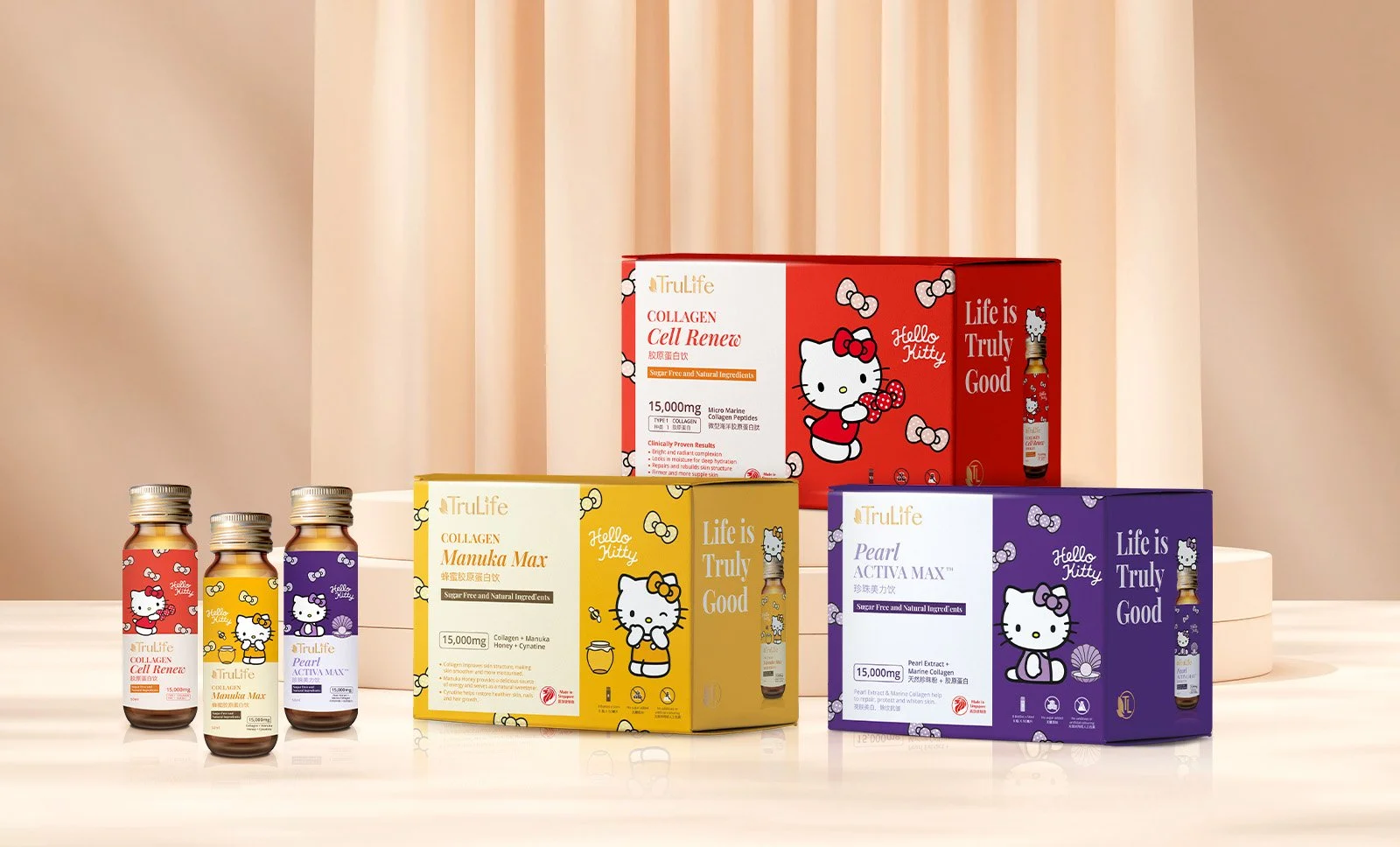
TruLife made Traditional Chinese Medicine products with real expertise and an identity that looked like what it was: a manufacturer, not a lifestyle brand. The work was structured as a phased brand development programme, and the phases were sequenced by dependency rather than by calendar. The early phase settled the shift itself, the new direction, the positioning, and the reasoning behind it, so that every later decision had a rationale instead of a preference. Only then came the identity and packaging system, the brand story, and the brand guide that keeps a growing FMCG brand coherent across packaging, retail and marketing no matter who is executing it. The final phase addressed brand management: how the identity is applied and maintained as it passes through production, distribution and promotion. Guidelines were built to be used rather than admired, with explicit rules for shelf and pack, where the buying decision is actually made. A digital strategy carried the new story into the channels the audience already used. TruLife recorded a 300% sales lift following the rebrand.
CUCKOO, what a campaign launch looks like when the position is already solid.
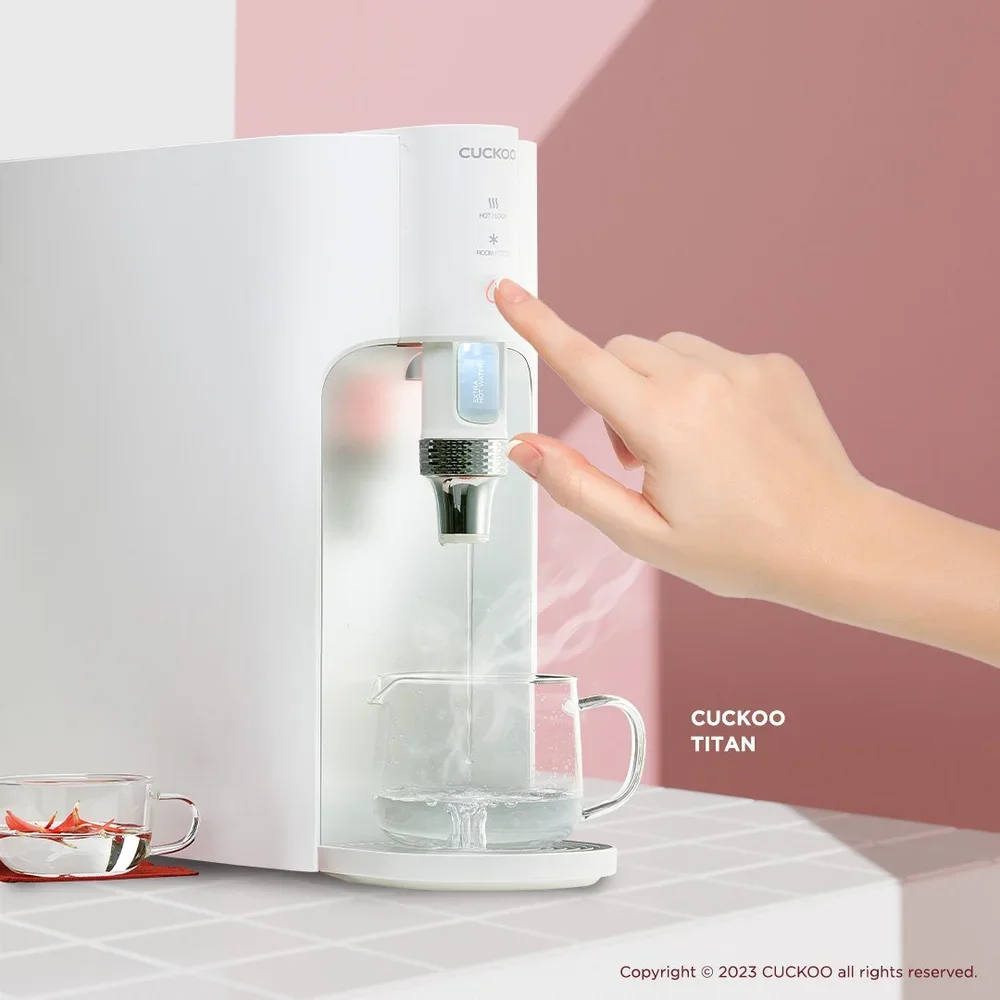
Korean premium lifestyle appliances live in the background of everyday life, so the brand has to work to stay in mind. The decision was to refuse to treat a launch as a standalone event. Always-on social came first with strategy, content and creative direction on a rolling schedule, so an audience existed before there was anything to announce. Product launches, brand awareness pushes, festive moments and a Mother's Day collaboration were then built on that base, each with its own creative and media plan, with media planning and ads management converting attention into leads rather than impressions alone. Performance marketing ran alongside and brought in 50 to 80 quality leads every month, and the content programme reached over 1 million impressions every month. That is the correct use of a campaign launch: pushed against a position the brand already holds, landing on people who already know it.
Launch work in the same categories also includes Kinohimitsu, in wellness and consumer health. It is named at sector because that is what is documented; no figures or outcomes are claimed for it here.
Why Delitier & Co.
Delitier & Co. is a premium, digital-first branding agency, founded in 2014 and headquartered at 60 Paya Lebar Road, #06-28 Paya Lebar Square, Singapore 409051. The work spans brand strategy, identity, packaging and spatial design through to brand campaigns, social media, performance marketing and e-commerce, which is why a launch here is sequenced from the position outward rather than assembled from the campaign back. Clients include Chow Tai Fook, CUCKOO, Kinohimitsu, BreadTalk Group, Bio-Oil and Sephora. DesignRush listed the agency in its Top 30 Digital Advertising Agencies in 2021; Clutch named it a Leading Social Media Agency in Singapore in 2022. Google Business Profile rating is 5.0 from 13 reviews. Future-proof by strategy, timeless by design.
Frequently Asked Questions
What does a brand launch agency do?
It settles what the brand is for, builds the identity that expresses that, and stages the first public moment that proves both, in that sequence, because each stage depends on the one before it. The deliverables are a position, an identity system, packaging and launch assets, and a brand guide that keeps the whole thing coherent afterwards. Running a launch event is a separate craft, usually supplied by a production partner working to this brief.
How is a brand launch different from a product launch?
A product launch introduces something new inside a brand that already means something. A brand launch establishes or changes what the brand means. If the product is new but the brand's position still holds, buy the campaign. If the product is arriving in a new category, a new tier or a new market, the position is being tested and that is brand launch work whether or not it is called that.
We already have a logo and packaging. Do we still need the position settled?
Yes, and it is usually faster than expected because much of the answer already exists implicitly in the business. The risk of skipping it is that the identity is defended on taste rather than on fit, which makes every review an argument about preference. A settled position turns those arguments into decisions, and it makes the identity you already own either demonstrably right or demonstrably worth changing.
Can a launch be run with the brand strategy still being written?
It can be started, but the creative should not be commissioned until the position is signed. If the position moves after creative sign-off, everything downstream is rework at the least forgiving moment. Sequence beats speed here: the time saved by running the two in parallel is generally lost twice over in revisions.
What should we have in hand once the launch is done?
A position stated publicly and in writing, an identity system tested everywhere the brand will appear, packaging and retail materials ready for the shelf, launch content produced to a plan rather than scavenged from coverage, and a brand guide that lets other people execute the brand correctly without asking. If a launch produces only assets for the launch itself, it was a campaign wearing a brand launch's budget.
How do we judge a brand launch agency before hiring one?
Ask how they sequence the work and listen for whether identity comes before or after the position. Ask to see a case where the strategy changed the design brief, not just cases where the design looks good. Ask who stays on the account after the pitch. And ask what they would refuse to do, a partner with no refusals has no position of their own, which is a poor sign in a firm you are hiring to build yours.