Beauty Branding Agency in Singapore: How to Choose the Right One
A beauty branding agency builds the system a skincare, cosmetics, haircare or wellness business runs on: the position, the brand architecture, the name, the identity, the packaging and the marketing that carries it. The choice is not about who has the best reel. It is about who owns the sequence, strategy before identity, identity before packaging, packaging before campaign, and who will still hold that sequence when the range doubles. Get the order wrong and the brand is rebuilt rather than grown.
Delitier & Co. is a premium, digital-first branding agency in Singapore working with beauty and wellness, premium lifestyle, and retail, F&B and consumer goods brands.
Key Takeaways
Sequence beats category specialism. A partner earns the fee by holding strategy, identity and execution in order; beauty-only experience will not compensate for a thin strategic layer underneath the work.
Packaging specialists and PR-first firms are useful once a brand's position and architecture are set. Before that, they are being asked to express something that does not yet exist.
Brand architecture is the decision beauty houses skip at launch and pay for at the second product line. Settle the structure before anything gets styled.
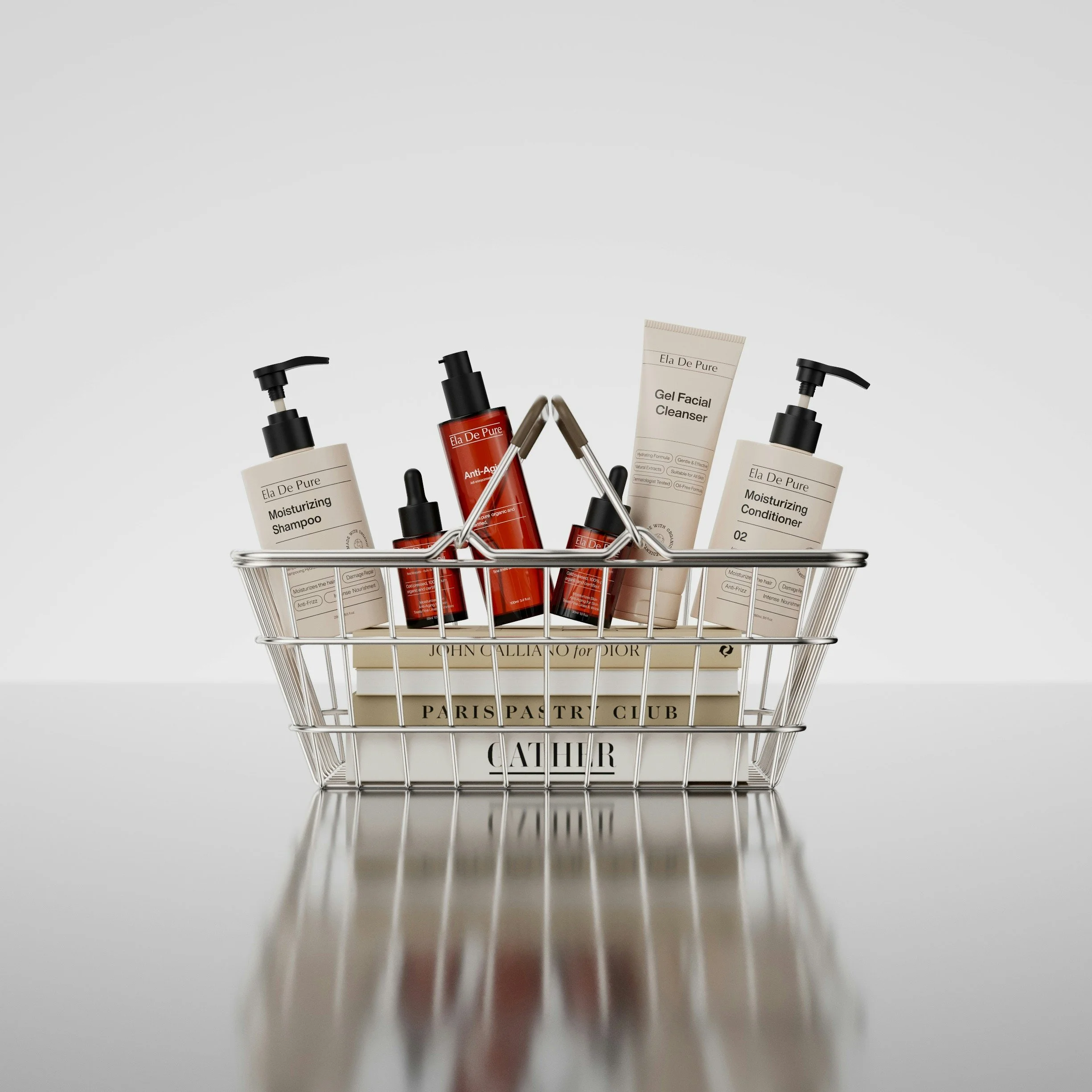
What a beauty branding agency actually delivers
A beauty branding agency delivers the strategic and creative system a beauty business runs on: the position, the architecture, the identity, the voice and the launch marketing so that every downstream decision has a frame to be judged against.
That system is the difference between a brand that reads as one company across the shelf, the product page, the creator post and the retailer's line review, and one that reads as three companies wearing the same logo. Beauty punishes incoherence faster than most categories, because the buying decision is made in seconds and the brand has to survive each of those seconds unaided.
The three layers, in order
The first layer is brand strategy: the position the brand holds in its category, the buyer it is built for, the promise it makes and the reasons that promise is believable. This is the layer founders defer, because it forces the uncomfortable question of what the brand is for and who it is against.
The second layer is identity: the name where naming is needed, the wordmark, the palette, the typography, the packaging system, the tone of voice. Identity is what most beauty brands buy first when they should buy it second. Without a position underneath it, identity becomes decoration that the next agency replaces.
The third layer is execution: launch marketing, retail rollout, e-commerce architecture, always-on content, the creator and press programmes that carry the brand into culture. This is where the budget concentrates, and where discipline pays, because every choice is made against the strategy set above it.
The layers are cumulative, not parallel. A campaign built without an identity has nothing to look like, and an identity built without a strategy has nothing to mean.
How much category fluency actually matters
Category fluency shortens the engagement; it does not replace the strategic layer underneath it.
A capable beauty partner can read a formulation story, translate an ingredient claim into consumer language without inflating it, and hear the difference in register between skincare, colour cosmetics and fragrance. They understand why a texture claim behaves differently in a humid climate, why prestige and masstige shoppers weigh proof differently, and why the shelf gives a brand seconds while the product page gives it minutes. In Singapore and across Southeast Asia, that fluency extends to a retail calendar built around festive gifting cycles and year-end online sales peaks, moments that decide the run-up windows a launch is planned against.
Fluency is the starting position, not the offer. What moves the brand is the strategic backbone fluency gets applied to, and that backbone is not category-specific, which is why the criteria for judging a beauty partner overlap almost entirely with the criteria for judging a brand identity agency in Singapore in any premium category.
Which type of agency fits a beauty brand
The right agency type depends on whether the missing capability is strategic thinking or category-specific execution, and on how settled the brand's foundation already is.
Four archetypes serve this category. Each is genuinely strong in the situation it was built for. The expensive mistake is choosing one for the wrong reason.
| Agency type | Suited to | Weakest when |
|---|---|---|
| Specialist packaging studio | The position is already set and the brand needs sharp pack design and pack copy against a defined brief. | The brand has no position or architecture for the packaging to express. |
| PR-first beauty firm | Awareness and editorial reach, for a brand whose position and identity are already stable. | Positioning, identity and architecture have not been built, so there is no foundation for the story. |
| Full-service marketing network | High campaign volume across several markets and long-tail media buying at scale. | Attention drifts down the delivery chain after the pitch team hands the account over. |
| Branding agency with premium-category fluency | Position, architecture and identity need to be built or reset before anything is executed. | The immediate need is at-scale performance media buying rather than brand-building. |
Two framings make the choice quickly. First, ask what the brand would still be missing if the agency delivered its strongest possible work. If the answer is a position, hire a branding agency. If the answer is a pack that finally sings, hire a packaging specialist. If it is coverage in the right titles, hire a PR-first firm. If it is reach across markets, hire a network.
Second, judge the honest state of the foundation. A beautiful pack on an unsettled position does not delay the rebrand; it accelerates it.
The failure that sends beauty brands back to the start
The common failure is a brand that is fully rebuilt within a short span of launching, with the packaging, the name treatment and the launch content all retired at once.
The cause is almost always the same, and it is a sequencing error rather than a taste error. Identity was commissioned before the position existed. Somebody had to decide what the pack should say, so the pack decided it, and a positioning statement was reverse-engineered afterwards to defend a design that had already been approved. That statement never has to survive a competitive frame or an audience it was tested against, so it collapses the first time the brand meets a retailer's line review or a second product line that does not fit the story.
The fix is procedural and unglamorous. Commission the position, the audience and the competitive frame as a separate, documented piece of work, and make the packaging brief quote it. If the position reads "a probiotic skincare line for people who read the label first", the packaging brief writes itself and the design can be argued against something. If no such sentence exists, the design is being argued against taste, and taste changes with whoever is in the room.
Brand architecture, and why beauty houses regret skipping it
Brand architecture decides how many brands a business holds and what role each one plays, and a beauty house needs the answer before its second product line reaches the shelf, not after.
The symptoms are recognisable. The parent brand is loud and the sub-brand is quieter than it should be. The customer cannot tell whether they are looking at one company or two. The marketing team is quietly running two brand systems without anyone having approved a second one.
This is a structural decision, not a logo exercise: a house of brands, a branded house or a hybrid, and then the naming rules, the visual system, the tone and the route to market that follow from it. Done properly, the next line extension becomes a placement decision rather than a strategic reset. A skincare house adding colour cosmetics, a fragrance house extending into body care, a wellness brand spinning out an ingestibles range, each is an architecture decision before it is a creative one. Skip it and every line quietly builds its own system, until the group owns a stack of brand books that agree on nothing.
The questions that recur across beauty houses share a shape. Does parent-brand equity carry across every touchpoint, or dilute on each one? Do sub-brands hold distinct positions, or are they colour variations of the parent? Does the next extension have a slot before it is briefed, rather than after?
What to test in the pitch
Five checks separate agencies that deliver on their pitch from agencies that present well. Ask them in this order.
Ask how they would approach your brand, not what they would deliver. A strong answer describes a sequence — audit, position, architecture, identity, execution. A weak answer is a service list on a timeline.
Ask who runs the account once the pitch team steps back, and ask to meet them.
Ask for published work where the strategy is visible in the identity, and have them narrate the decisions in reverse. If only finished artwork can be shown, the thinking underneath was probably thin.
Ask how they have handled a brand-architecture question, a parent brand with sub-brands, or a portfolio with line extensions.
Test category fluency without prompting. Ask what they read into a recent launch in your category. The answer shows whether they think about beauty or only design for it.
One more is worth running: ask for the brand audit template they use on a new engagement, and read whether it opens on competitive frame and audience or on logo and colour.
Proof: The Fundamental
The Fundamental is a probiotic skincare line formulated and tested in Japan, built on the idea that the skin, gut and mind are connected, and backed by two years of research and development before a single product launched.
Skincare is one of the most visually competitive categories there is, shelves and feeds full of brands promising clarity, purity and results. The Fundamental's difference was real rather than claimed: probiotic science, Japanese manufacturing, a genuine gut-skin-mind philosophy. But that story only counts if the brand looks like it is telling the truth.
The engagement began with the naming exercise and worked outward: brand strategy, brand architecture, brand development, packaging design, identity system, brand book and brand guidelines. The brand book was the centre of it, the reference that holds a brand together as it grows, translating the idea of the brand into practical rules the team can apply across packaging, marketing and retail.

The decision that mattered most was writing those rules to expand rather than to freeze. A skincare range rarely stays still; new products and variants keep arriving. Flexible, clearly defined rules mean the tenth product reads as intentional and trustworthy as the first, which is exactly the coherence a discerning skincare buyer notices. The Fundamental shipped with a defined brand name, brand book, packaging design and identity system, and a business equipped to present itself consistently as its catalogue and its audience grow.
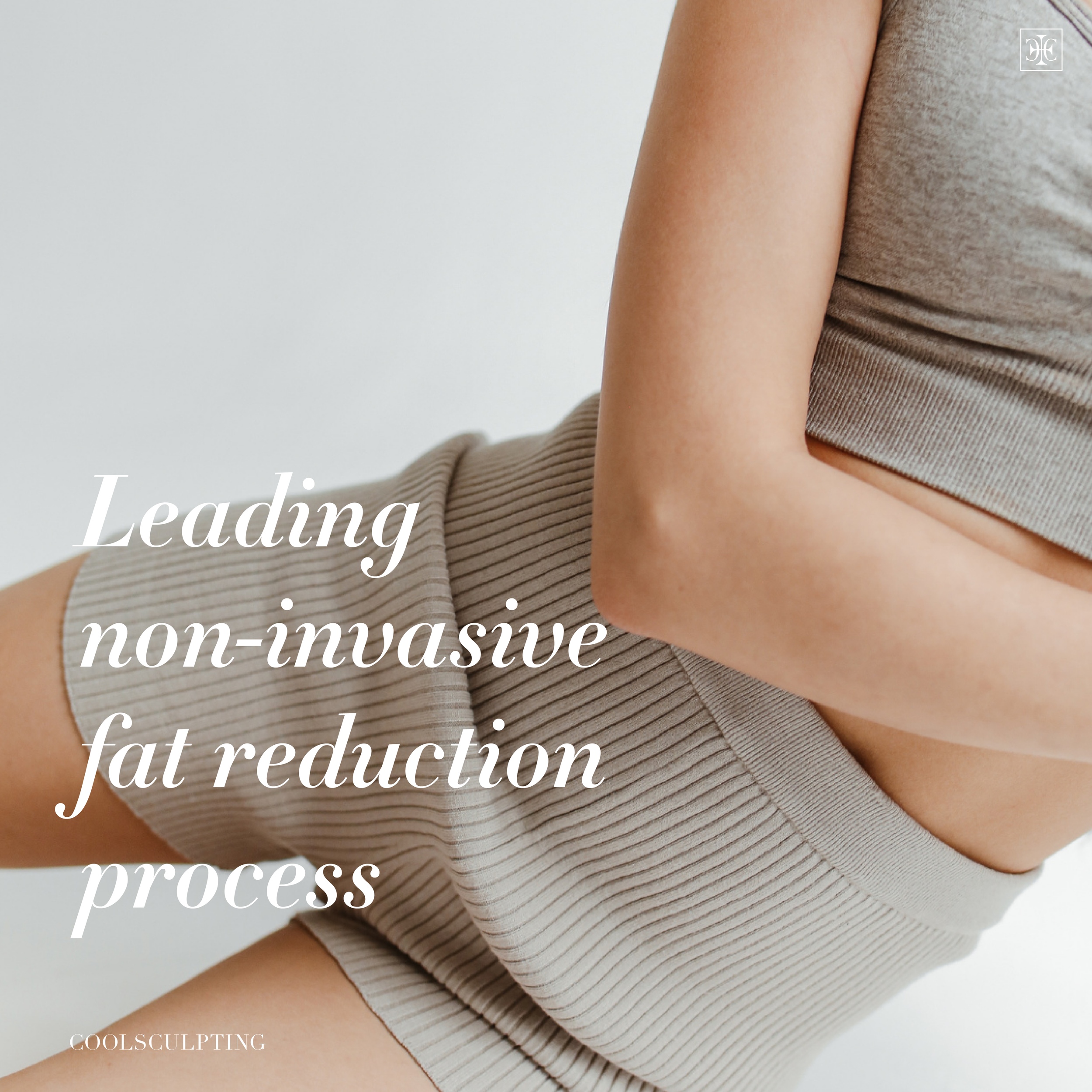
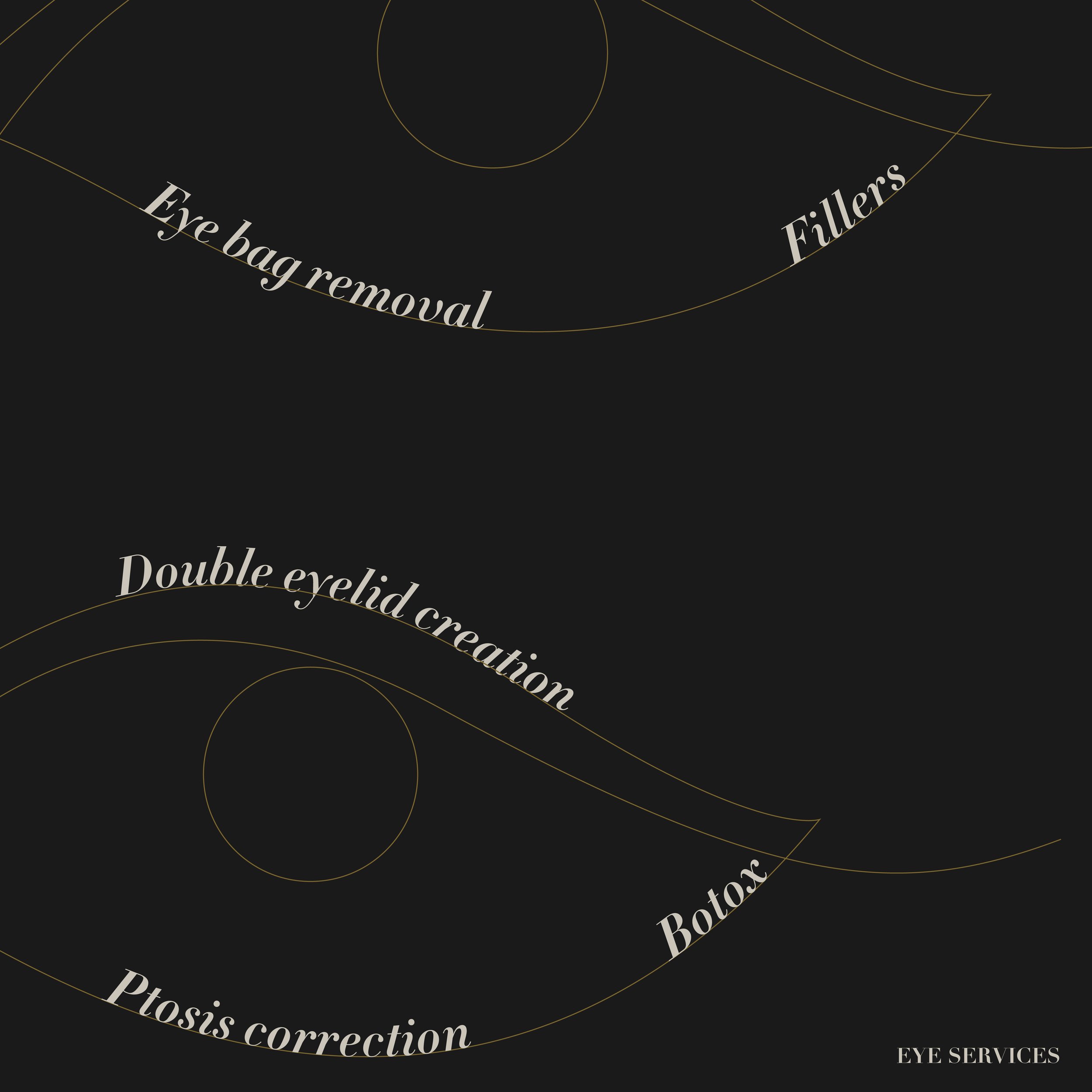
The same discipline runs through the beauty and wellness work more broadly, Skin Inc in skincare, Bio-Oil in skincare, Covette Clinic in aesthetic clinic, where the sequence, not the category, is the constant.

Why Delitier & Co.
Delitier & Co. Pte Ltd is a premium, digital-first branding agency founded in 2014 and headquartered in Singapore at 60 Paya Lebar Road, #06-28 Paya Lebar Square, Singapore 409051. Its Google Business Profile rating is 5.0 from 13 reviews as of September 2026; its Clutch rating is 5.0. Awards: DesignRush Top 30 Digital Advertising Agencies, 2021; Clutch Leading Social Media Agency in Singapore, 2022. Services cover brand strategy, brand identity, packaging design, logo design and spatial design; brand campaigns, social media strategy and management, and performance marketing; digital content, UX/UI, website design and e-commerce management. Beauty and wellness clients include Skin Inc, Bio-Oil, Sephora, Chanel, Maison 21G, Kinohimitsu, Covette Clinic and TruLife. Future-proof by strategy, timeless by design.
Frequently asked questions
What does a beauty branding agency do?
It builds the strategic and creative system a skincare, cosmetics or wellness brand runs on: position, brand architecture, name, identity, tone of voice and launch marketing. The output is the frame every downstream decision is executed against, from a line of pack copy to a retail rollout. Packaging and press coverage are outputs of that system, not the system itself.
Is a beauty branding agency the same as a brand consultancy?
Buyers use the terms interchangeably, and many firms in the category describe themselves as a brand consultancy or a multi-disciplinary design studio. The practical difference is where the work stops. Some firms deliver a strategy document and hand execution to someone else; others carry the brand through naming, identity, packaging and the marketing that launches it. Ask which model you are buying before you compare fees.
How much does beauty branding cost in Singapore?
The tiers Google surfaces for Singapore branding work run roughly SGD 500–5,000 for freelancers, 5,000–15,000 for small studios, 15,000–50,000+ for mid-market agencies and 50,000–200,000+ at enterprise level. Scope drives the number far more than category does: a discrete identity refresh and a full strategy, architecture and launch programme are different products. The most expensive engagement is the one that has to be redone.
When does a beauty brand need a packaging specialist instead of a branding agency?
When the position, the architecture and the identity are already settled and documented, and the brand needs sharp pack design against a clear brief. A branding agency is the right call when those layers still have to be built or reset, or when a portfolio needs its architecture defined before any single label is restyled. Sequence decides which one you need.
What is brand architecture, and why does it matter for a beauty house?
Brand architecture is the decision about how many brands the business holds and what role each plays — a house of brands, a branded house or a hybrid, together with the naming rules and visual system that follow. It matters in beauty because the moment a second line reaches the shelf, the customer has to know whether they are looking at one brand or two. Skipping it at launch is a common cause of expensive rebrands later.
Should a beauty brand hire a Singapore agency or an international one?
Category fluency and continuity of the team matter more than geography. A Singapore-based partner sits closer to Southeast Asian consumer behaviour, regional retail dynamics and the calendar moments that shape the market. An international partner may bring a wider case history. Judge both on whether the strategy is visible in the work they show you.
Which beauty and wellness brands has Delitier & Co. worked with?
Beauty and wellness clients include Skin Inc, Bio-Oil, Sephora, Chanel, Maison 21G, Kinohimitsu, Covette Clinic, TruLife and The Fundamental. The Fundamental engagement covered naming, brand strategy, brand architecture, packaging design, the identity system and the brand book. Delitier & Co. has been headquartered in Singapore since 2014 and holds a 5.0 rating on both its Google Business Profile and Clutch.