How to Choose a Restaurant Branding Company
A restaurant branding company sets the position an F&B concept holds in its category, builds the identity that carries that position, and applies both across every surface a guest meets: menu, signage, packaging, uniform, delivery listing, website. The firms worth shortlisting run those three layers in that order and can show you the written position the visual work answered to. Judge a prospective partner on the sequence it works in, the evidence behind its positioning call, and how far the identity has to travel as the concept scales.
Delitier & Co. is a premium, digital-first branding agency working with F&B, premium retail and consumer-goods brands across Singapore and Southeast Asia, from single premium concepts to chef-led ranges heading for the retail shelf.
Key Takeaways
Sequence decides whether the brand holds. Strategy sets the position, identity expresses it, execution applies it. A concept branded in reverse order is the one that pays for a rebrand two years later.
Ask for the artefacts, not the promises. A written position statement, a competitive read and a ranked touchpoint inventory are the evidence that a strategy phase happened rather than a discovery call with a nicer name.
Match the shape of the firm to the job. Specialist branding practices, full-service networks and social-first shops solve different problems. Most disappointing engagements are a mismatch of shape, not a failure of craft.

What a restaurant branding company actually does
A restaurant branding company builds three layers of an F&B concept in sequence: strategy first, identity second, execution third.
Strategy names the position the concept holds and the audience it grows into. It is research before it is creative work: the category read, the competitive gap, and direct conversations with the people who already buy. Identity translates that position into a name, a mark, a palette, a typographic system and the verbal cues that make the brand recognisable across a room and across a screen. Execution runs the identity through every guest touchpoint: the menu on the table, the sign above the door, the packaging that travels home, the thumbnail on a delivery platform.
The practices worth hiring treat those layers as accountable to each other. The strategy is written to be a filter the identity work has to pass. The identity is built to be legible on the worst-lit surface the brand will ever appear on. Where the sequence breaks a logo commissioned before the position is set, packaging designed before the identity is stable, the concept opens with cracks a guest can feel without being able to name.
Why restaurant brands that look right still drift
The most common failure in F&B branding is not a bad logo; it is a good logo attached to a concept that never resolved its position.
Here is the mechanism, plainly. The failure mode: the concept opens sharp, holds attention for a season, then flattens. The menu adds items that do not belong, the social feed drifts toward whatever is working that month, and a second outlet reads as a cousin rather than a sibling. The cause: no one wrote down what the brand is for, so every decision after launch was settled by taste, and taste changes with whoever is in the room. The fix: make the strategy phase produce a position statement sharp enough that a new hire could apply it to a decision the founder has never seen. Once that exists, the identity has a brief to live up to, the menu has a filter, and arguments that used to reach the founder get settled by reading.
Operators usually diagnose this as a marketing problem. It is a strategy problem surfacing as one.
Three shapes of partner, and which one fits your concept
The choice of partner shape decides more of the outcome than the choice of individual firm.
Most operators believe they are comparing agencies. They are comparing archetypes. The deliverables list on each pitch deck can look near-identical while the underlying method is not.
| Criterion | Specialist branding practice | Full-service network | Social-first shop |
|---|---|---|---|
| Lead discipline | Brand strategy and identity | Brand, media, PR and production under one roof | Social content and community |
| Sequencing | Strategy, then identity, then execution | Parallel workstreams under an account lead | Content first; strategy assumed or borrowed |
| Best for | Concepts where the position must be set and the identity must hold across many touchpoints | Multi-market rollouts needing media and PR coordinated centrally | Established concepts adding a channel presence |
| Where it thins out | Narrower service breadth; media buying at scale needs a separate partner | Coordination cost; the people who pitch are rarely the people on the account | On-trend today dates quickly with no strategy beneath it |
| Signal to check | Is there a discrete, budgeted strategy phase with named artefacts? | Who holds the brand line when four workstreams disagree? | What position is the content executing against? |
Read those as three tools, not three tiers. A single premium concept opening its first outlet is almost always specialist work. A group entering several markets at once needs the network for reach and coordination. A well-branded concept that needs consistent content is a social-first scope.
What the strategy phase should hand you
A strategy phase is only real if it produces artefacts the operator can hold and argue with.
Three of them matter. A position statement that reads as a filter for future decisions, not a paragraph of ambition. A competitive read that names the space the concept can own outright rather than placing second in someone else's category. A touchpoint inventory that ranks what must ship at launch against what waits for the second outlet.
Underneath those sit the pages most firms skip. Audience written as a person with a reason to be in the room, not a demographic bracket. Voice written as a register with sample sentences and the words the brand does not use, so a caption under a plate and a booking confirmation read as the same business. And, for any operator with a second concept in mind, an architecture rule: when a new concept earns its own name, when it carries a house endorsement, and how the entities relate on a storefront and in search.
Without those, every identity decision is a matter of taste. With them, decisions have a rail to run on and the identity work survives the third round of feedback.
The surfaces the identity has to survive
An identity earns its keep on the smallest, worst-lit surface the brand ever appears on, not on the reveal deck.
Ask a prospective firm how it handles four of them. The mark below thirty-two pixels, the size a favicon, a social avatar and a delivery-platform tile all draw from, with mono, reversed and app-icon crops treated as first-class assets. The palette specified in every colour space a print supplier uses, because it breaks at the printer before anywhere else. Typography held to two faces, occasionally three, with a named fallback for the supplier without the licensed file. And photography specified as a lighting, angle and plating standard, so the tenth shoot matches the first.
Packaging deserves its own answer. It is the surface the brand travels on: the jar on a shelf, the lid on a delivery bag, the bottle in a home the brand has no shop in. If the concept has retail ambition, the firm you hire has to carry the identity onto a shelf where nobody explains it, a different craft from designing a menu, and worth testing against the criteria for choosing a packaging design agency.
Off-premise is the channel most engagements forget. A delivery tile, a listing thumbnail and a third-party menu import are surfaces the brand is judged on and does not control. The specification should say what the brand will not tolerate there, and name an owner for each platform.
Scoping the engagement before you price it
Scope is the useful conversation; price follows it, and moves with the execution surface rather than with the thinking.
Strategy is broadly a fixed effort, the position gets set once. Identity effort scales with how many expressions the system has to hold: one concept or a family, a fixed menu or a rotating one, a full interior identity or a shopfront. Execution is where the number moves. A single outlet with a printed menu, a sign, a handful of pack formats and a website is a contained scope. Add modular kits for future operators, or a rollout across markets, and the same system has to hold a far larger surface. That is where budget belongs, not in compressing the strategy phase.
The tiers Google surfaces for Singapore branding work run from roughly SGD 500–5,000 for freelancers, 5,000–15,000 for small studios, 15,000–50,000 and above for mid-market agencies, and 50,000–200,000 and above at enterprise scale. Those bands describe the category, not any one firm, and they say nothing about which layers are included, the reason a like-for-like comparison has to start with the artefacts each proposal names. The same trap applies at component level, where a quoted logo design price in Singapore can mean a mark alone or a full identity system, and the two are not comparable.
One further question separates a considered engagement from a disappointing one: continuity. Ask who is on the account after the contract is signed, by name and role, and how many other accounts each of them carries. The answer tells you whether the work you saw pitched is the work you will receive.
Proof: two F&B engagements
Two projects show what strategy-first sequencing produces in F&B, one a dine-in concept, one a chef's name taken onto a retail shelf.
Monarchs & Milkweed. The craft gelato brand was founded in 2020 by two chefs who met in professional kitchens before opening a shophouse gelateria. Demand was never the problem. Reach was: a product that good was known to too few people, in a crowded category a new craft entrant was already reshaping. Delitier began with listening rather than designing, competitor studies, trend analysis, and direct conversations with existing customers through focus groups and surveys. The core audience turned out to be working professionals roughly twenty-five to forty, with a meaningful skew toward women, who wanted something crafted that stayed within reach on an ordinary week. That evidence produced the positioning call: affordable premium. Pushing upmarket would have protected margin while shrinking the audience that loved the brand. The tagline Gelato Redefined carried the position, and one decision rule carried everything after it, expand reach, protect accessibility, keep the craft. Packaging, social storytelling and store planning were executed against that rule rather than against taste. The brand has since opened its flagship at Jewel Changi Airport, an international setting that matches the positioning the work established.

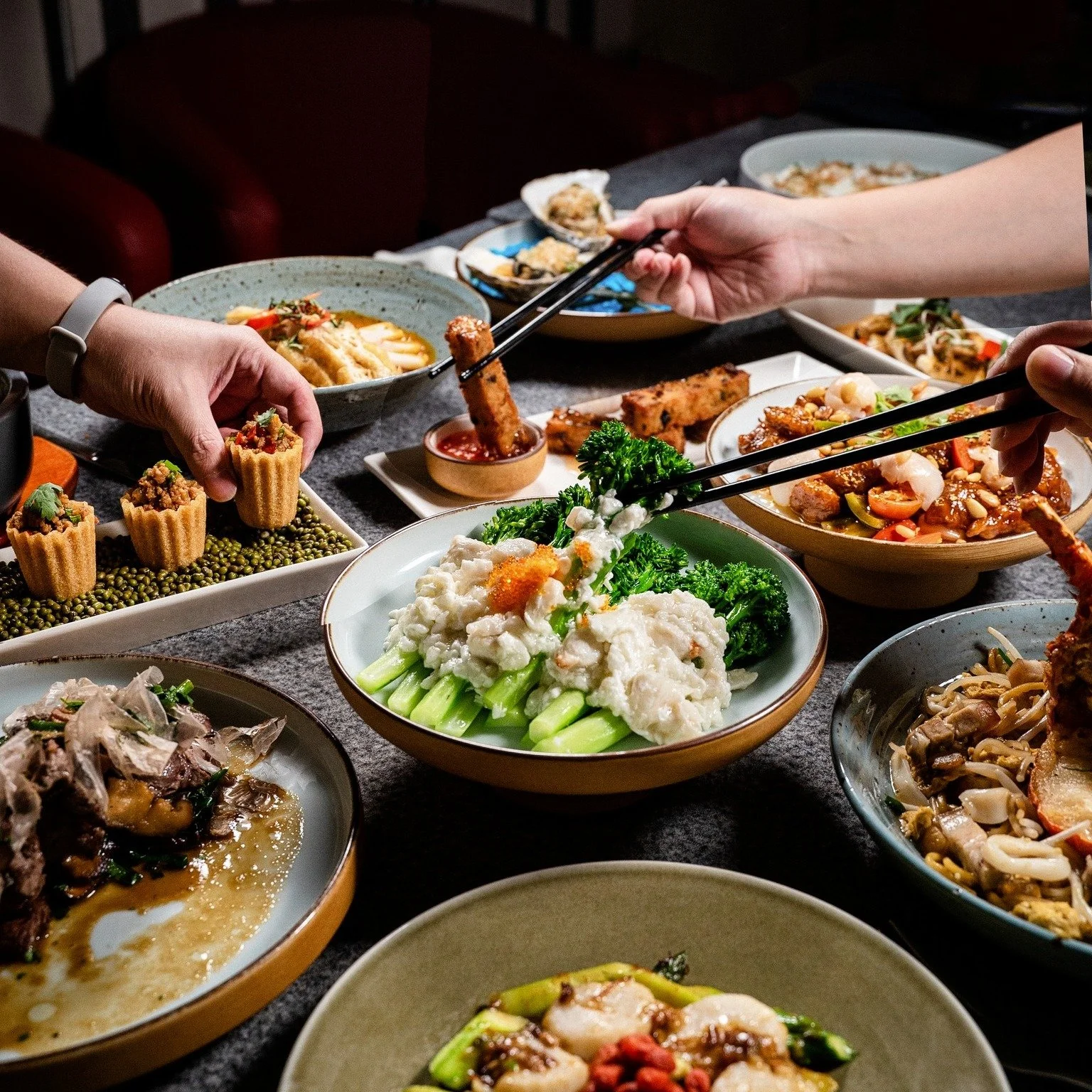
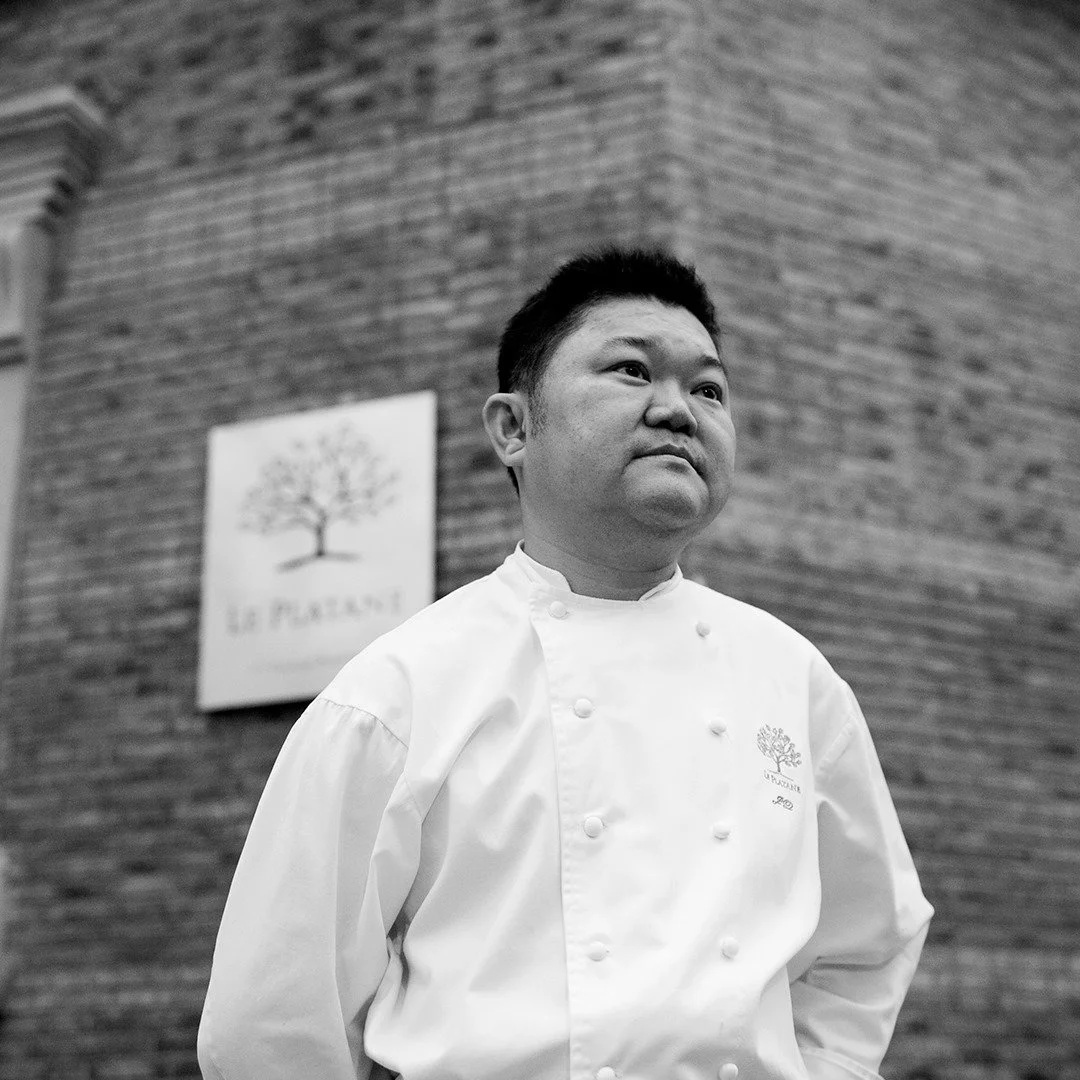
Justin Quek Sauces / JQ Global. Chef Justin Quek is one of the most respected names in Asian fine dining, French-trained, with over forty years across Europe and Asia. The task was to extend that authority beyond the restaurant into a line of chef-developed sauces, a brand that had to work across restaurants, retail shelves and international hospitality partnerships without losing the craftsmanship that made the name matter. Delitier worked the whole picture: social storytelling for the chef and for Justin et Daryl kept close to the food and the person behind it; positioning and materials for JQ Sauces that could hold their own in an FMCG context; and business development support including a commission and partner framework, catering and commercial proposals, and presence at a major food and beverage trade show. The line held throughout: personal and premium, but distributable. Today the sauces are trusted by internationally renowned hotels, airlines and catering partners across Asia. The full account is on the JQ Global project page.
Why Delitier & Co.
Delitier & Co. Pte Ltd was founded in 2014 and is headquartered in Singapore at 60 Paya Lebar Road, #06-28 Paya Lebar Square, Singapore 409051. The agency holds a 5.0 Google Business Profile rating from 13 reviews as of September 2026 and 5.0 on Clutch, and has been named to DesignRush's Top 30 Digital Advertising Agencies in 2021 and Clutch's Leading Social Media Agency in Singapore in 2022. Brand strategy, brand identity, packaging design, logo design and spatial design sit alongside brand campaigns, social media strategy and management, digital content and website design, so an F&B concept is carried from position to shelf without being handed between firms. Future-proof by strategy, timeless by design.
Frequently asked questions
What does a restaurant branding company do?
It shapes the strategy, identity and guest-facing execution of an F&B concept: the position the restaurant holds in its category, the identity that carries it, and the touchpoints from menu to signage to packaging that deliver both. A specialist practice runs all three layers in that order. The output is a brand system that holds up as the concept scales, rather than assets that need redoing at the second outlet.
Should I hire a restaurant branding company or a brand consultancy?
Often the same work under different labels, so compare the artefacts rather than the noun. A firm that produces a written position statement, a competitive read and a ranked touchpoint inventory before any visual work is doing brand strategy, whatever it calls itself. A firm that opens on mood boards is selling identity execution, a legitimate purchase, but only if the position is already settled.
What is the difference between brand strategy and brand identity for a restaurant?
Strategy is the thinking layer: the position, the audience, the story and the reasons those choices are defensible. Identity is the expression layer: the name, mark, palette, typography and verbal system that carry the strategy into the world. Identity without strategy is decoration; strategy without identity is a document. A firm worth hiring delivers both, in that order.
How much does restaurant branding cost in Singapore?
The tiers Google surfaces for Singapore branding work run from roughly SGD 500–5,000 for freelancers to 50,000–200,000 and above at enterprise scale, with small studios and mid-market agencies in between. Those bands describe the category, not any single proposal. The figure moves with the execution surface, outlets, formats and markets the identity has to cover, not with the strategy phase, which operators most often try to compress and most often pay to redo.
How do I brand a group of restaurants under one house?
A group needs an architecture layer above the identity layer: which concepts are flagship, which are neighbourhood plays, how they relate on a storefront and in search, and how they share a back office without blurring what each is to the guest. Set that structure before commissioning another identity system. The first concept pays for the architecture; every concept after inherits one.
What should I ask before signing?
Ask what artefacts the strategy phase produces. Ask how identity is scoped, one direction with revisions, or several routes, and what the guidelines document covers. Ask what execution is in-scope versus referred out, and who is on the account after the contract is signed. Finally, ask who will own the finished guidelines inside your business, with an approval path and a version history, because a document with no named owner stops governing the brand within a year.